
Umuharata/Ruganambuga (Falcon's Claw Acacia)
Senegalia polyacantha
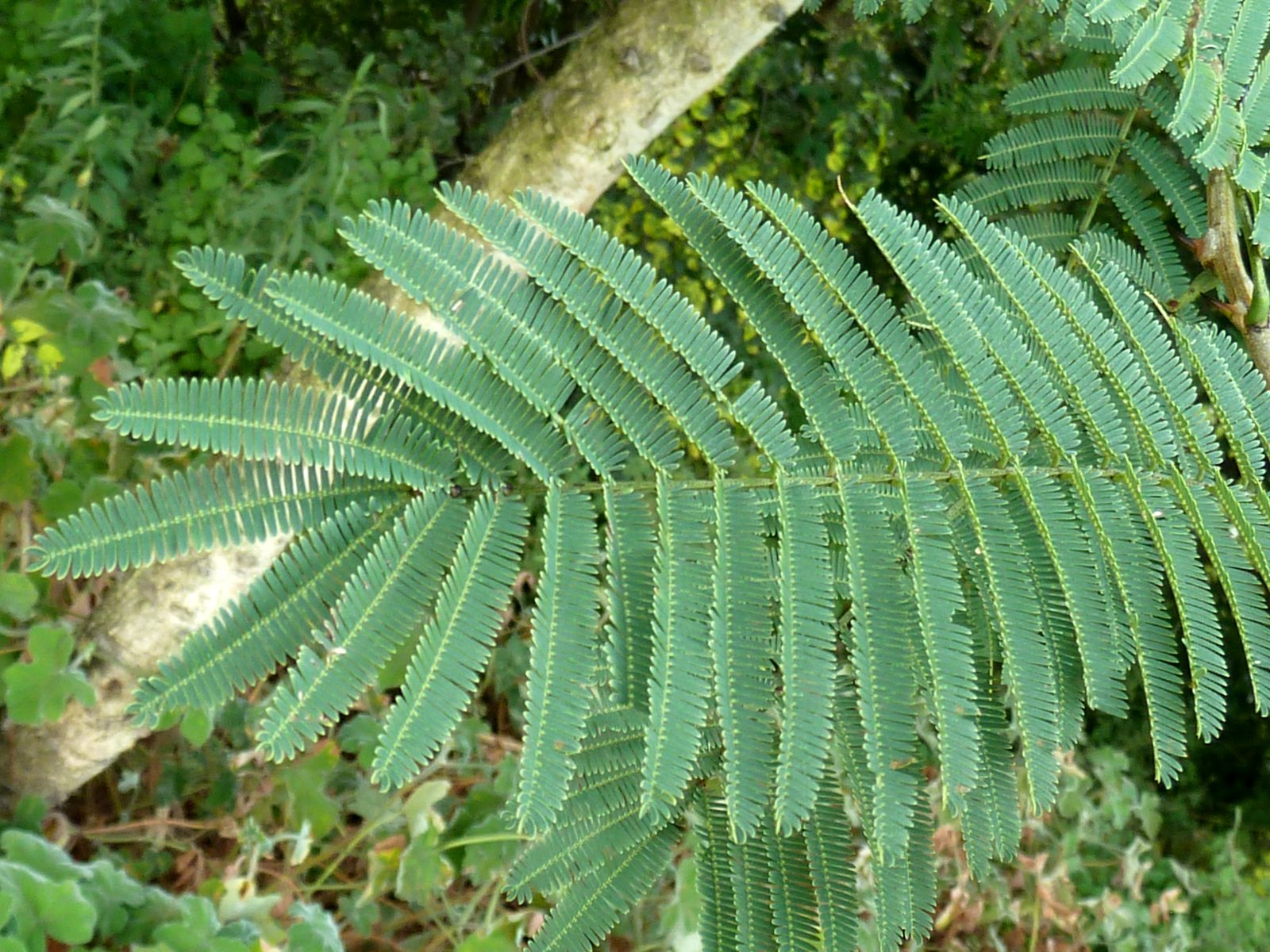
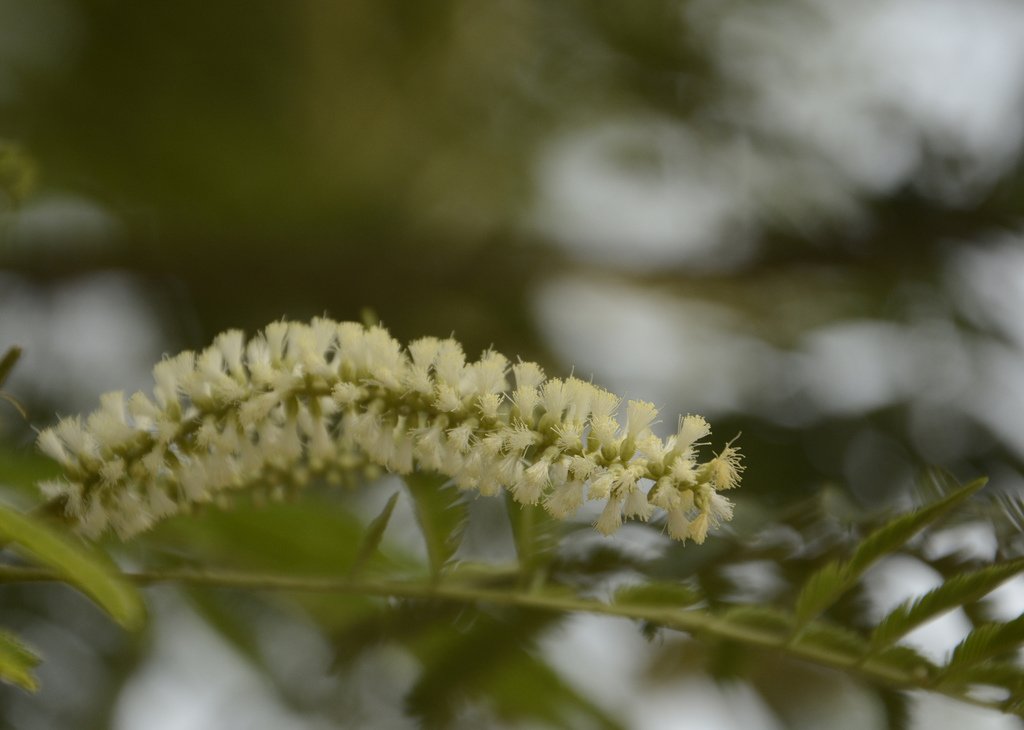
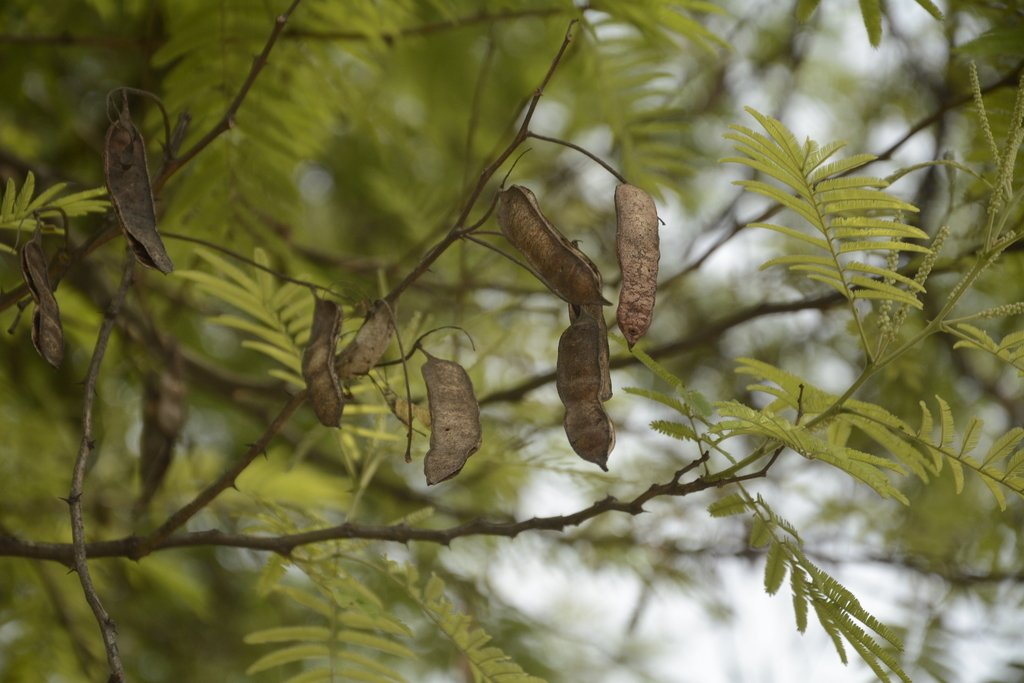
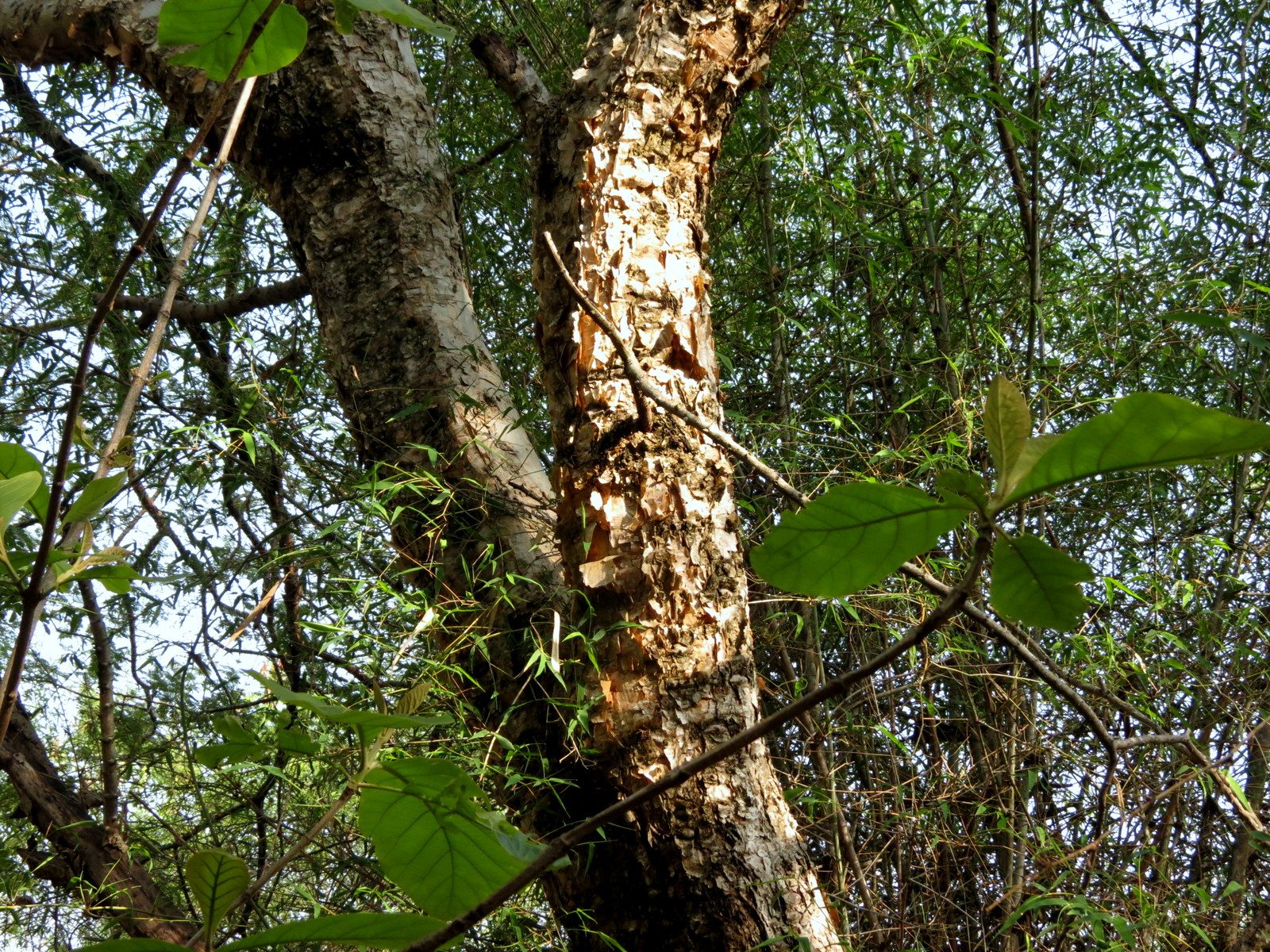
A large, erect tree (10-15m, up to 25m) with yellowish papery young bark maturing whitish-grey, and paired, dark, curved (falcate) thorns along the stems - the source of both its common name and its subspecies epithet campylacantha (curved thorns), which is the form found in Rwanda.
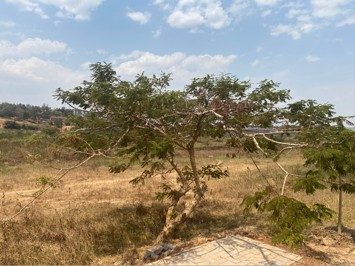
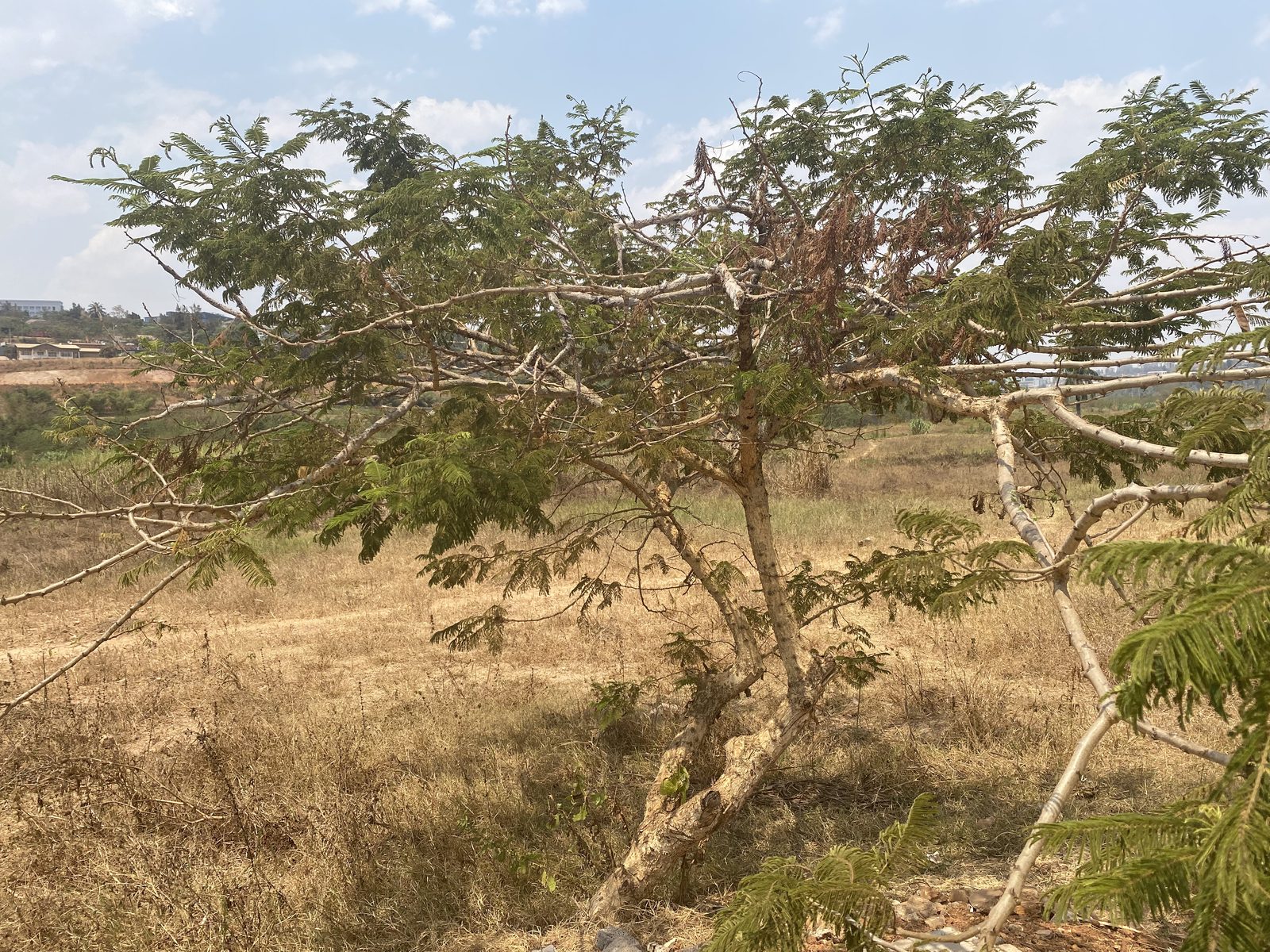
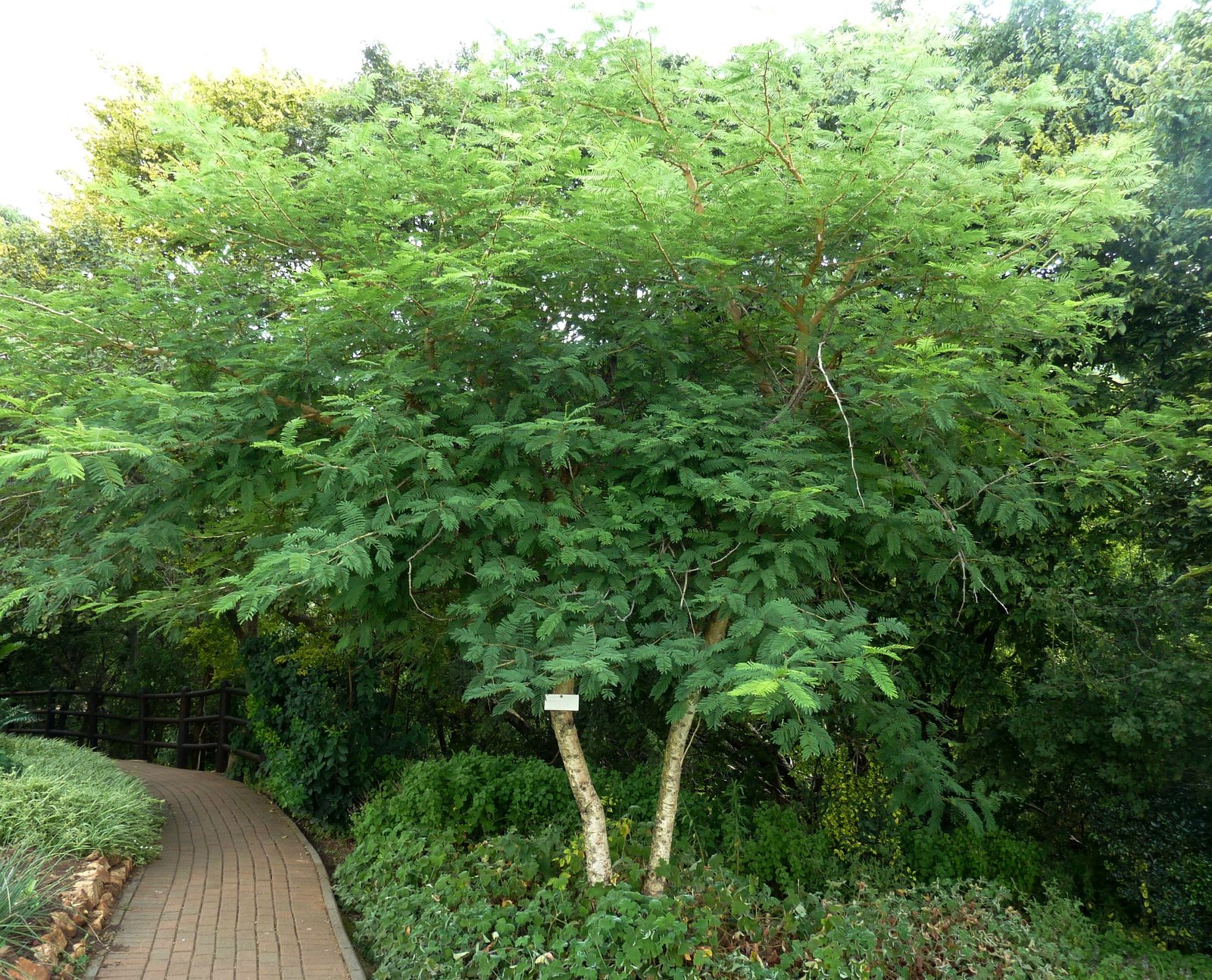
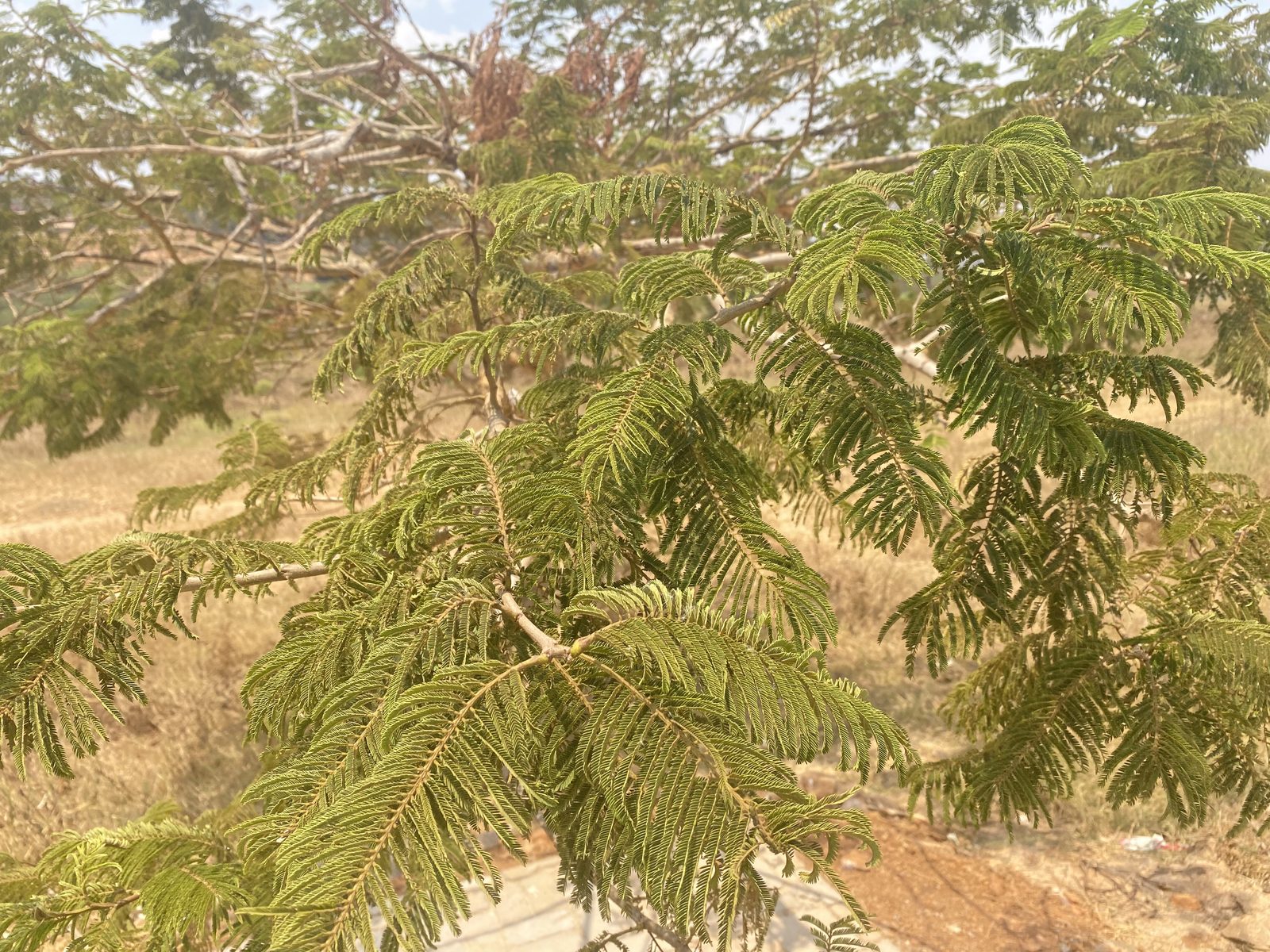
- Kinyarwanda name
- Umuharata/Ruganambuga
- English name
- Falcon's Claw Acacia
- Scientific name
- Senegalia polyacantha
- Family
- Fabaceae
- Conservation status
- Least Concern (IUCN)
Habitat
Moist, subtropical bushveld/woodland, typically on alluvial soils near rivers; a pioneer species colonising disturbed/secondary woodland.
Distribution
Widespread across tropical Africa from Gambia to Ethiopia, south to Kenya, Zimbabwe and South Africa; the African populations, including Rwanda, belong to subspecies campylacantha.
Uses
A pioneer species of the woodland forest. Medicinal uses: the leaves are pounded, dried, ground and applied to sores; roots treat snakebites and fix nitrogen in the soil; roots emit a compound that repels animals including crocodiles, snakes and rats.
Ecological importance
Nitrogen-fixing legume improving soil fertility; flowers feed honeybees; larval food plant for a local butterfly species; a pioneer coloniser of disturbed woodland.
Ibisobanuro
Gushyira Nitrogen mu butaka. Imizi yirukana inzoka n'imbeba. Ubuvuzi: Kugombora urumwe n'inzoka.