
Sycomore (Sycamore Fig)
Ficus sycomorus
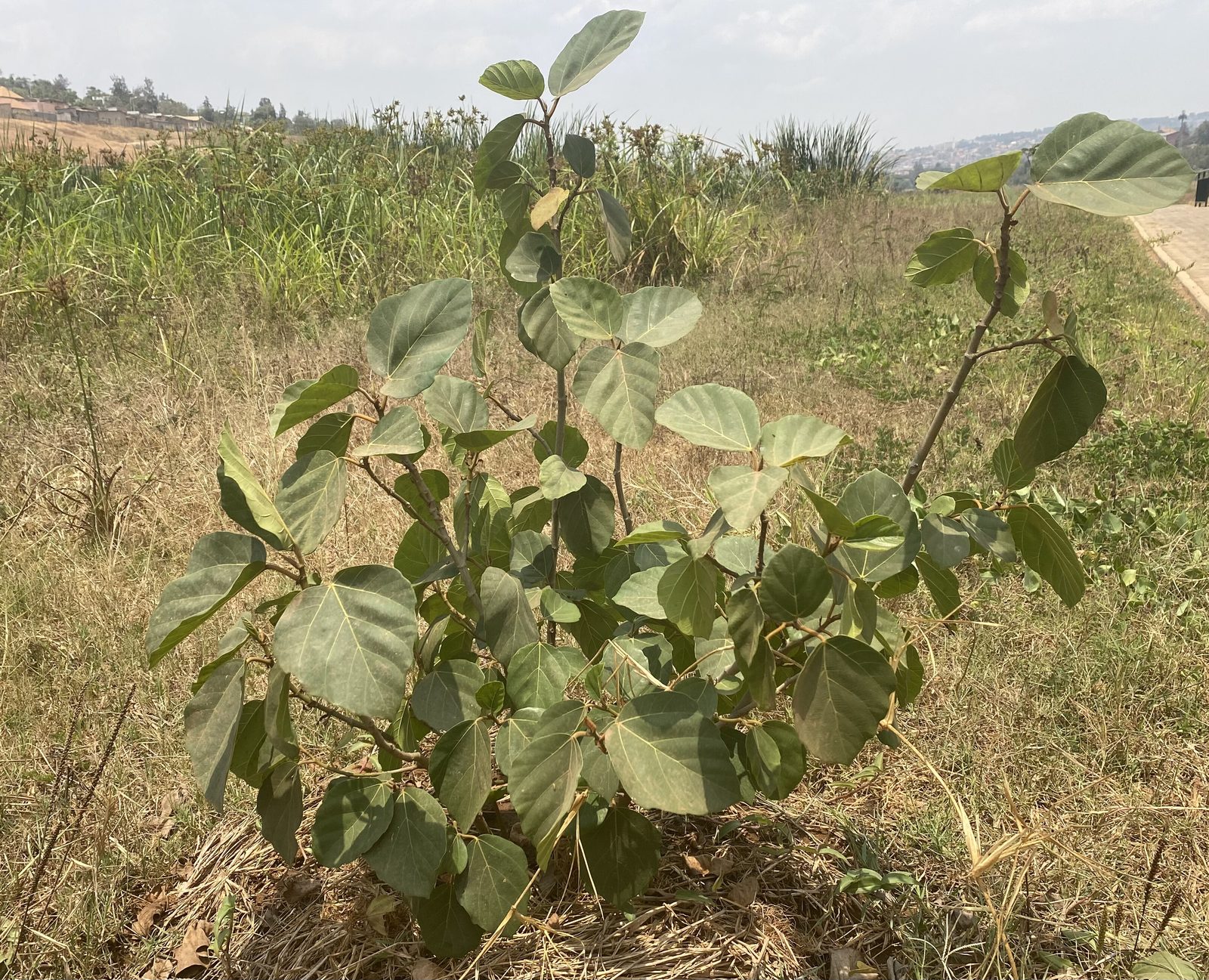
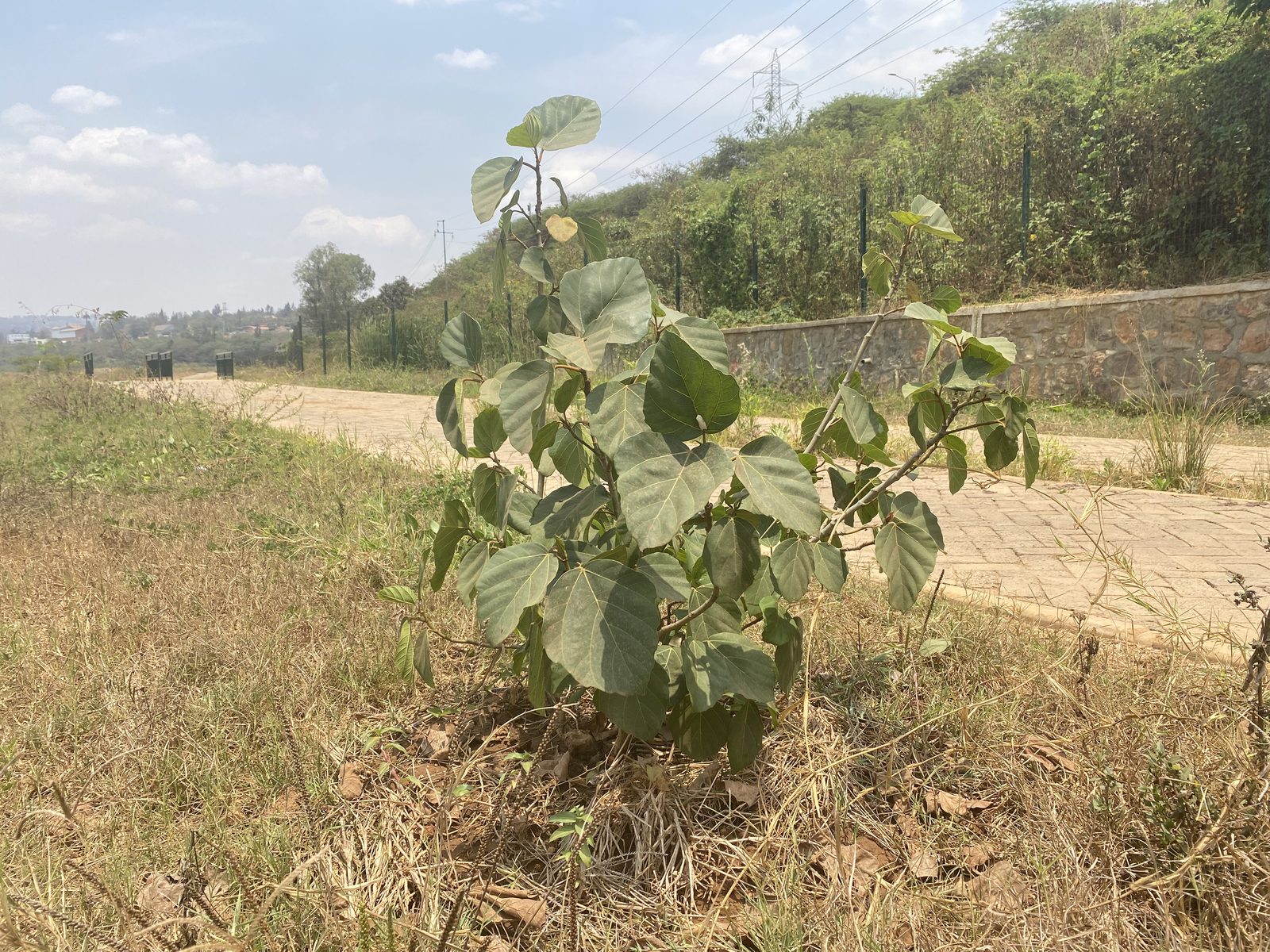
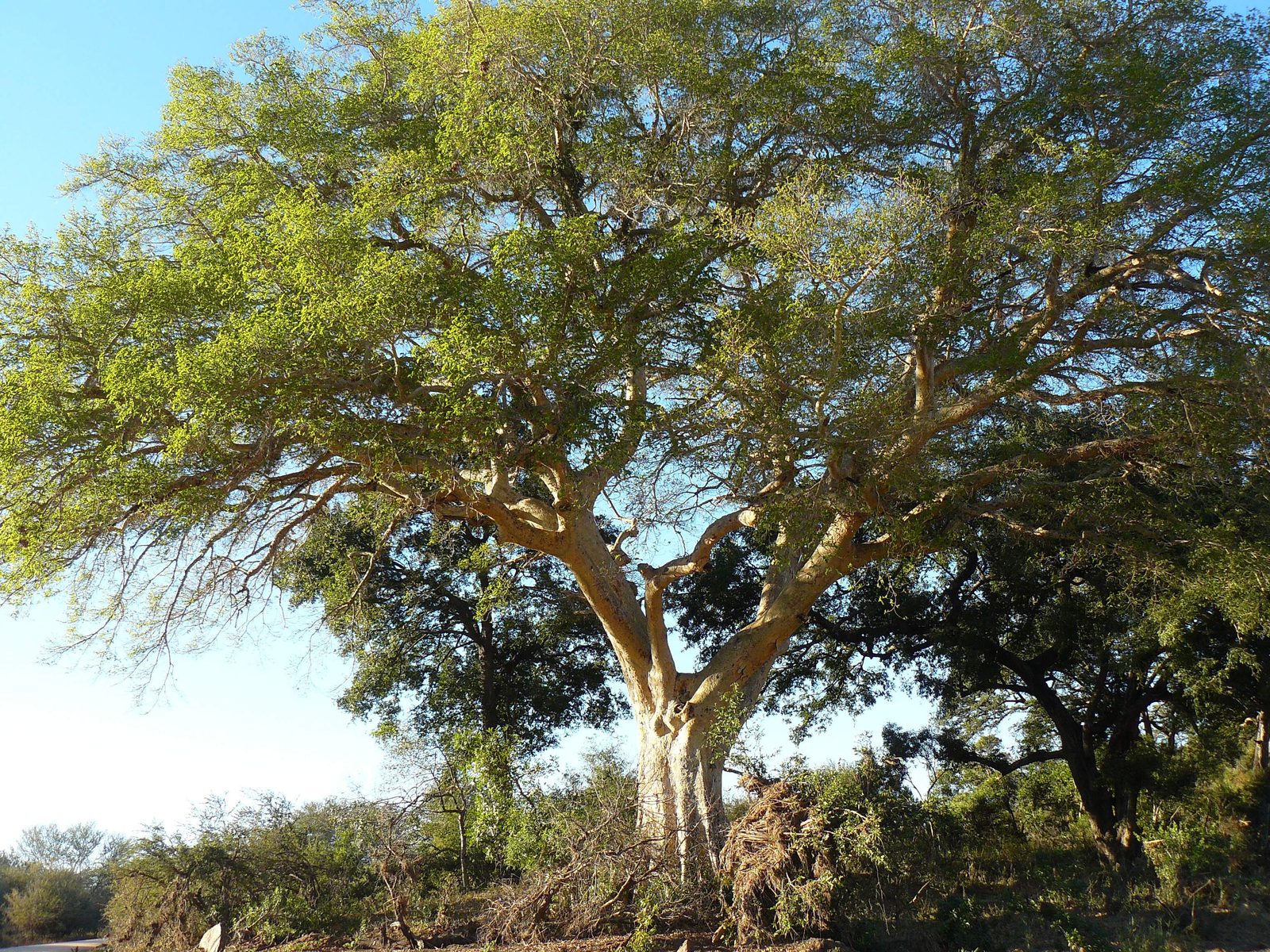
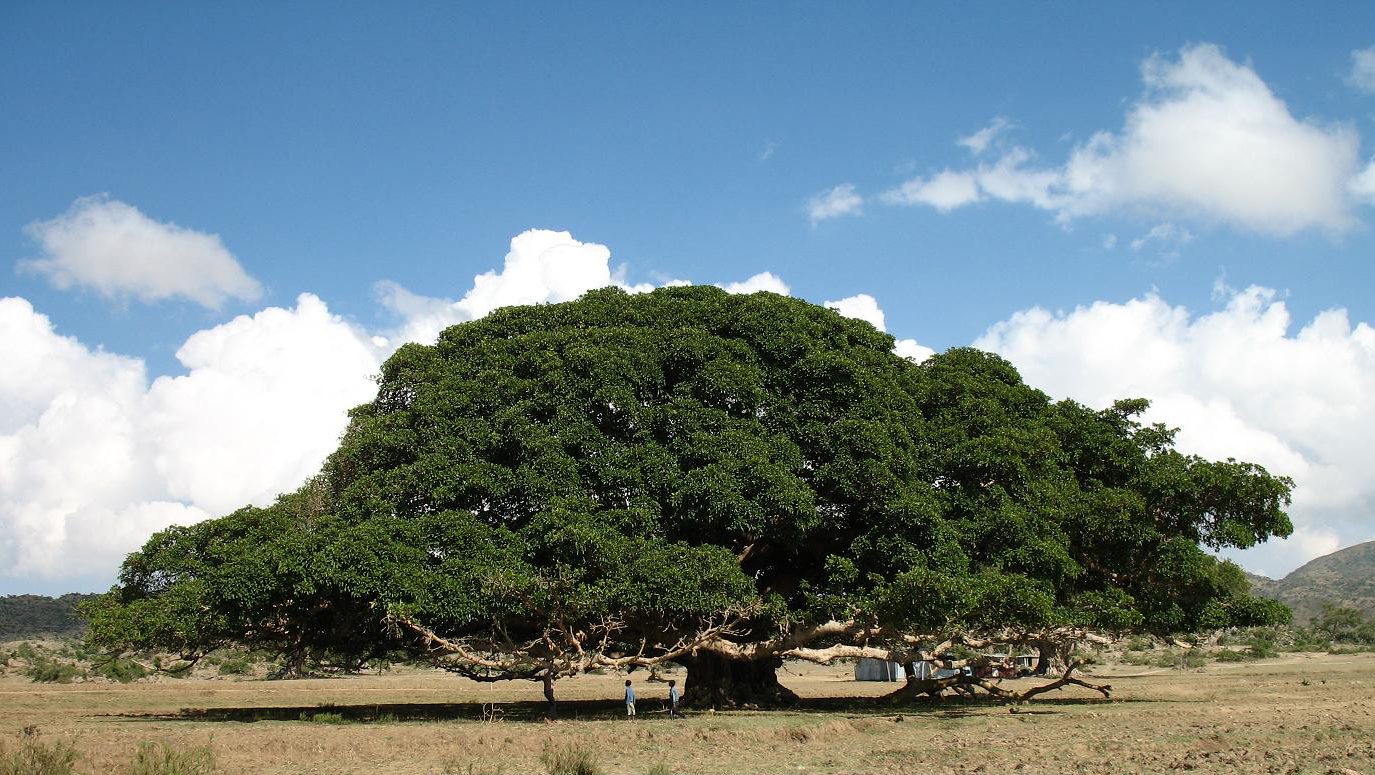
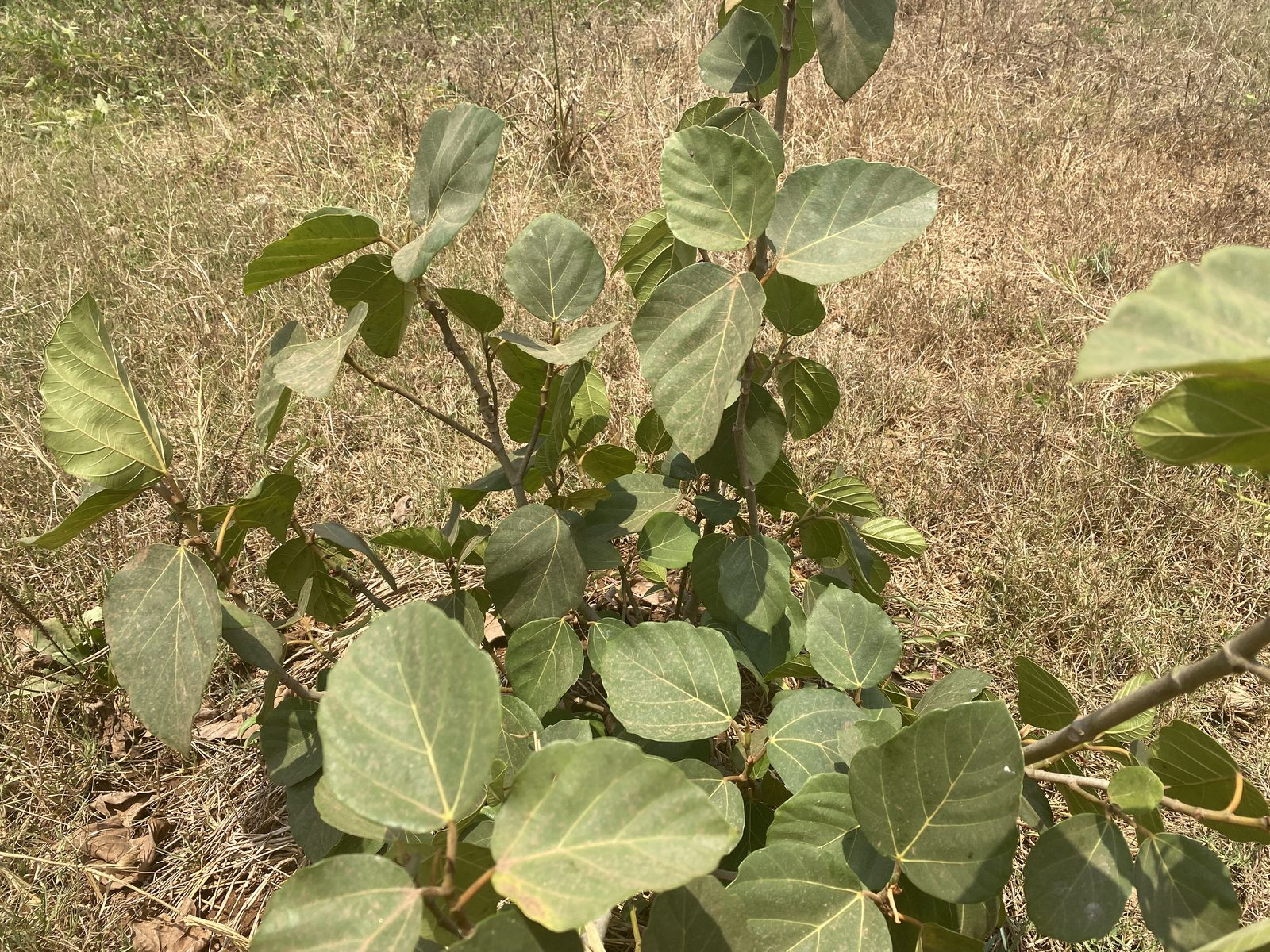
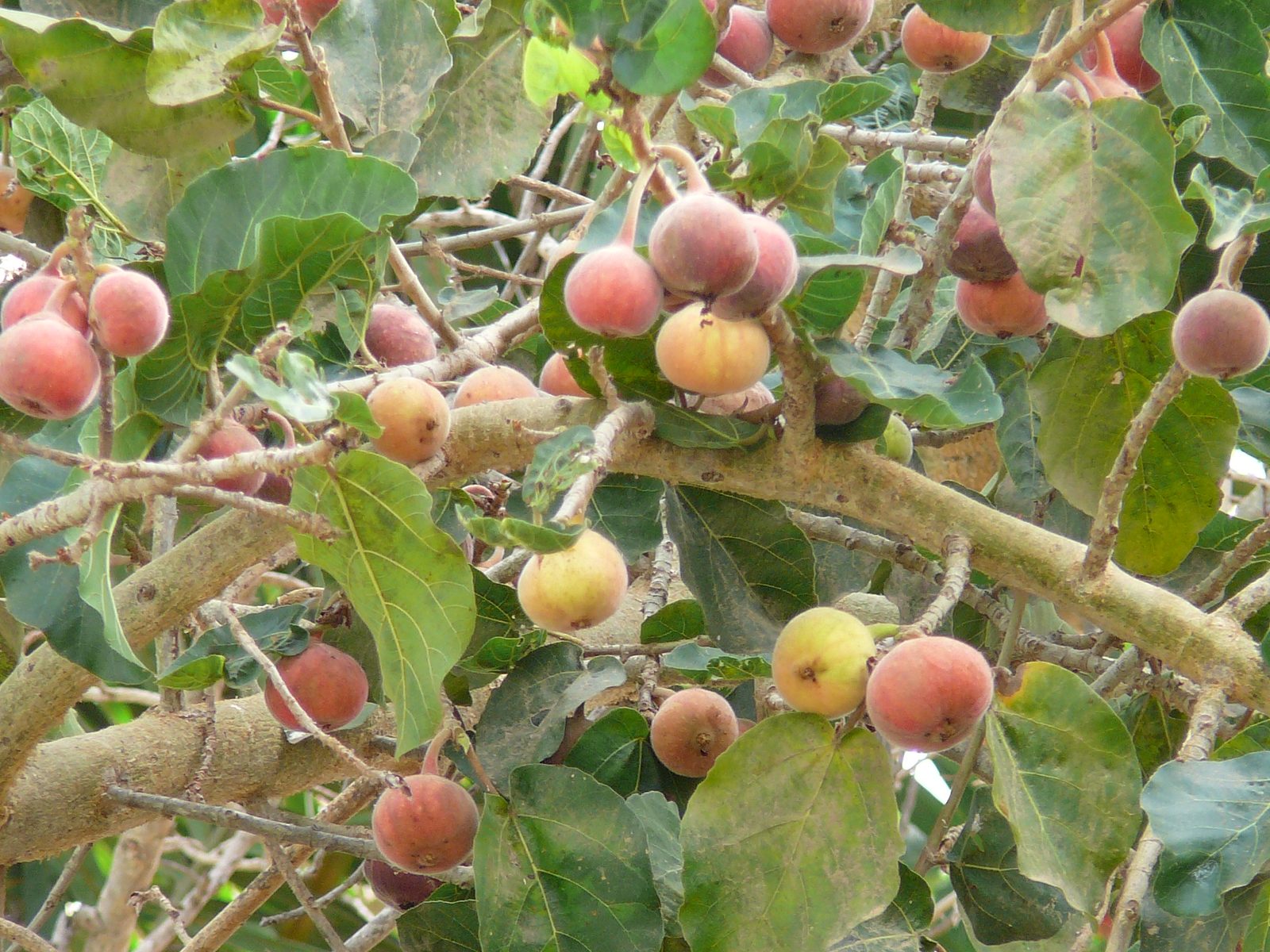
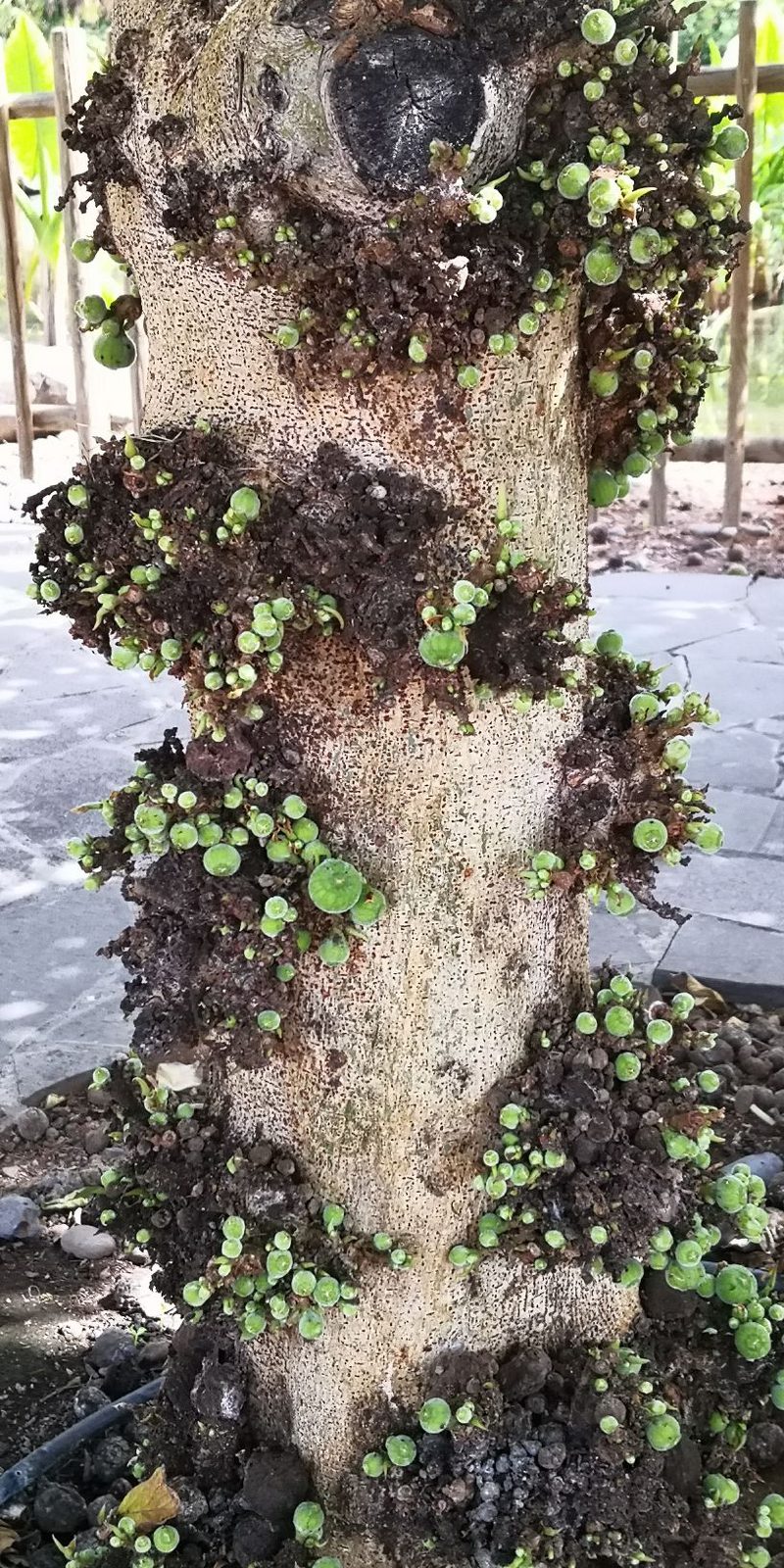
A semi-deciduous to evergreen spreading tree (20-35m) with a dense, wide crown and a thick, sometimes buttressed trunk. All parts exude abundant white latex when cut, and its figs are borne in dense clusters directly on the trunk and branches (cauliflory) - not to be confused with the unrelated sycamore maple or plane tree.
- Kinyarwanda name
- Sycomore
- English name
- Sycamore Fig
- Scientific name
- Ficus sycomorus
- Family
- Moraceae
- Conservation status
- Least Concern (IUCN)
Habitat
Riverbanks, streams, floodplains and alluvial soils within savanna/bushveld and drier woodland.
Distribution
Drier parts of Africa from Senegal to Ethiopia, south to South Africa, plus the Arabian Peninsula and Madagascar; confirmed present in Rwanda.
Uses
Fruits and leaves are edible. The fruits, leaves and latex are medicinally used to treat snakebite and respiratory issues, and have anti-inflammatory properties used for diabetes and wound care.
Ecological importance
Ripe figs, borne in dense clusters directly on the trunk and branches, are relished by a huge range of fruit-eating birds, fruit bats and mammals including elephant, giraffe, kudu and primates, making it a keystone food resource that can fruit nearly year-round.
Ibisobanuro
Kiravura. Imbuto, ibishishwa by'igiti, amababi ndetse n'amata yacyo arwanya kubyimbirwa. Bivura no mubuhumekero, diabete n'ibisebe.