
Intareyirungu (Knobwood Tree)
Zanthoxylum chalybeum
An aromatic deciduous shrub or small tree (1.5-12m) with a distinctive furrowed, pale grey trunk covered in woody knobs and often recurved prickles - the source of its common name. Its pinnately compound leaves smell of citrus when crushed.
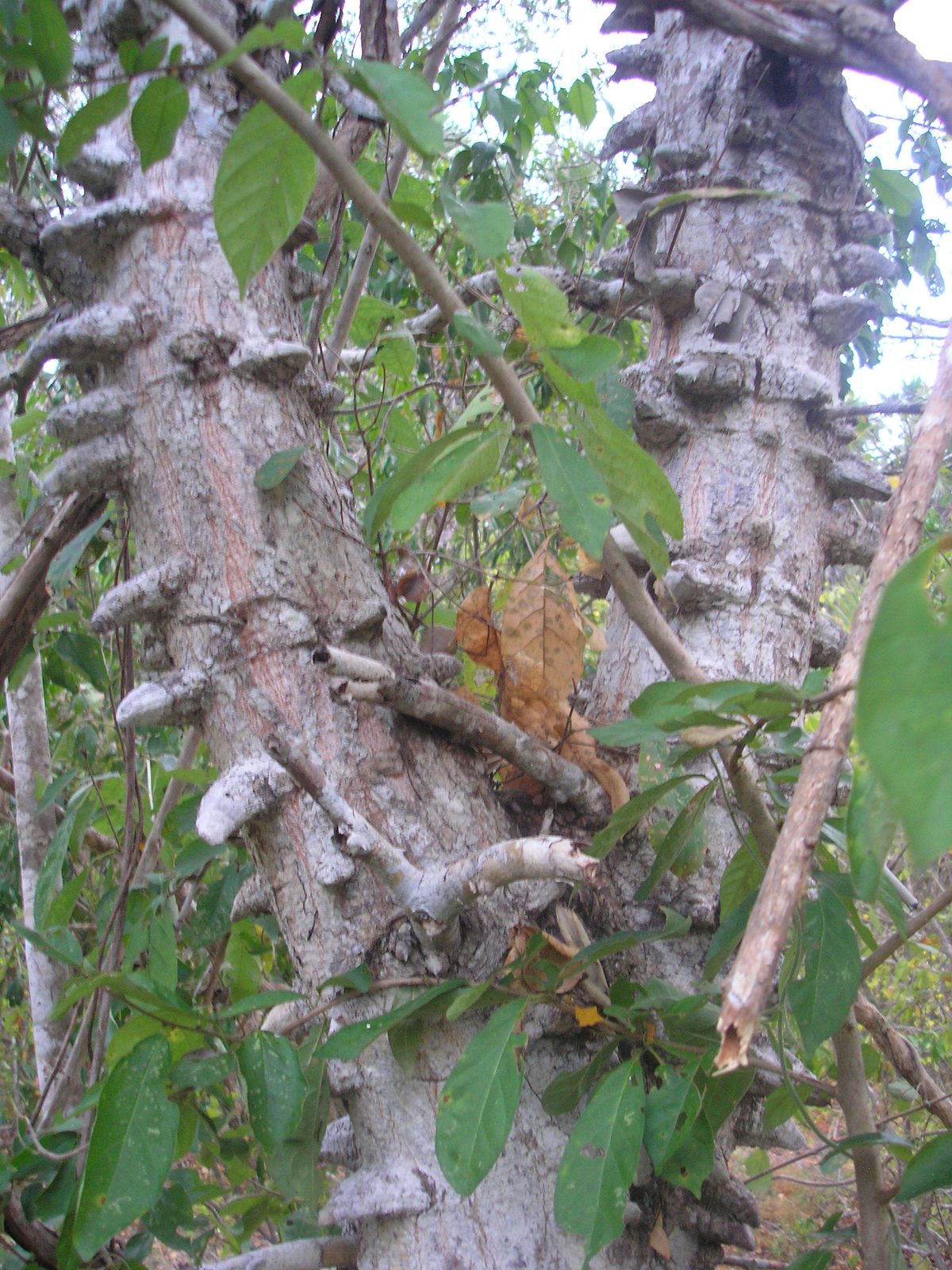
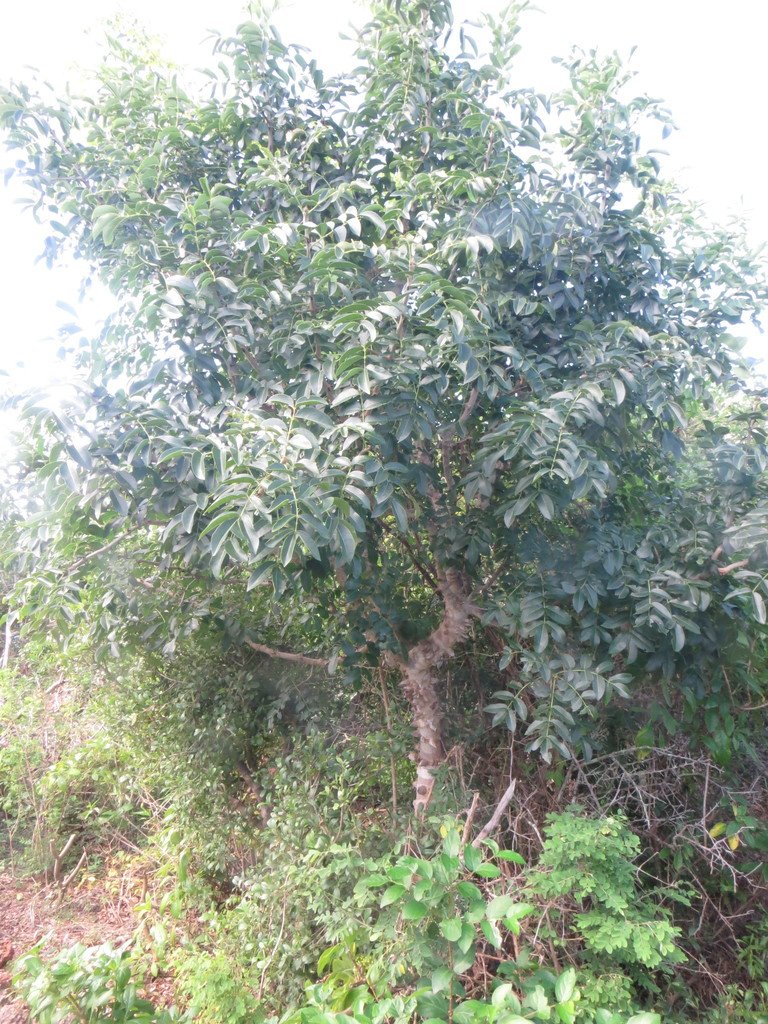
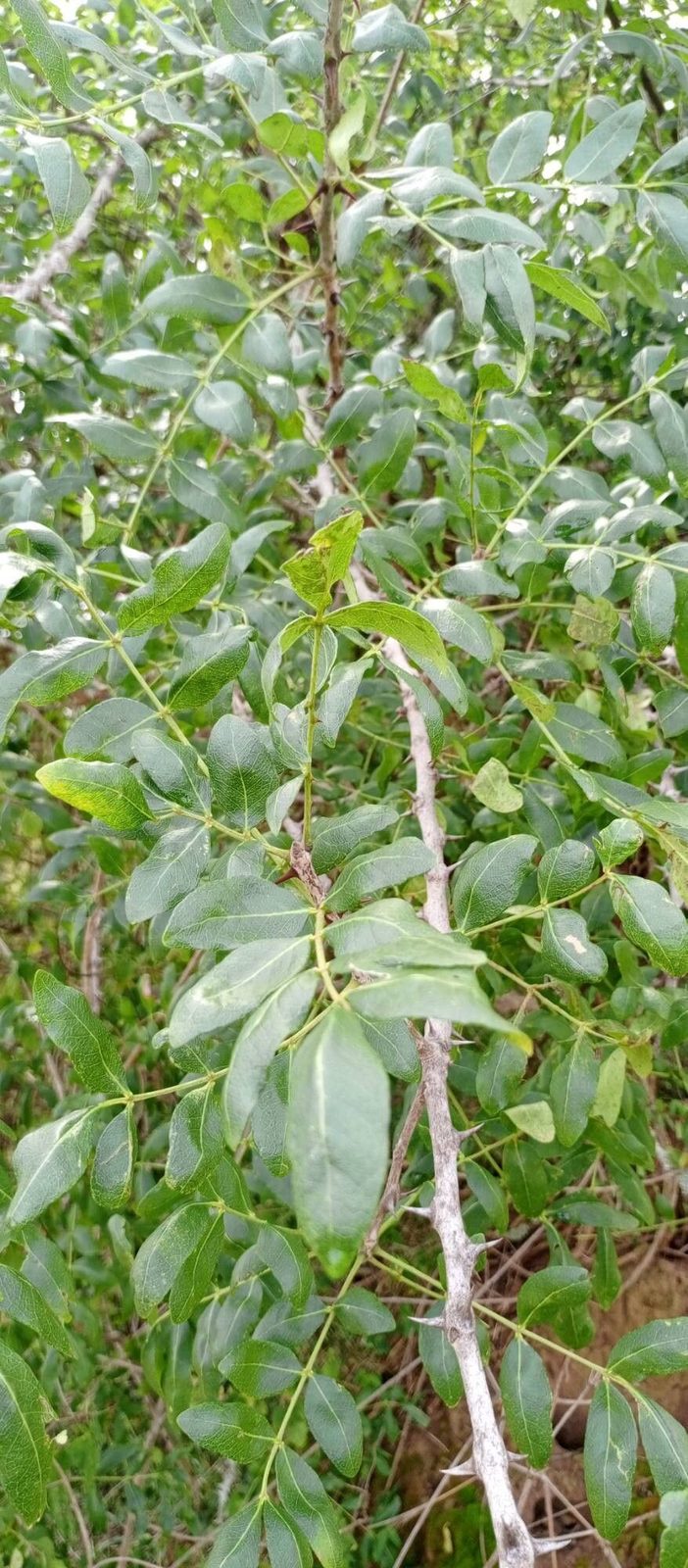
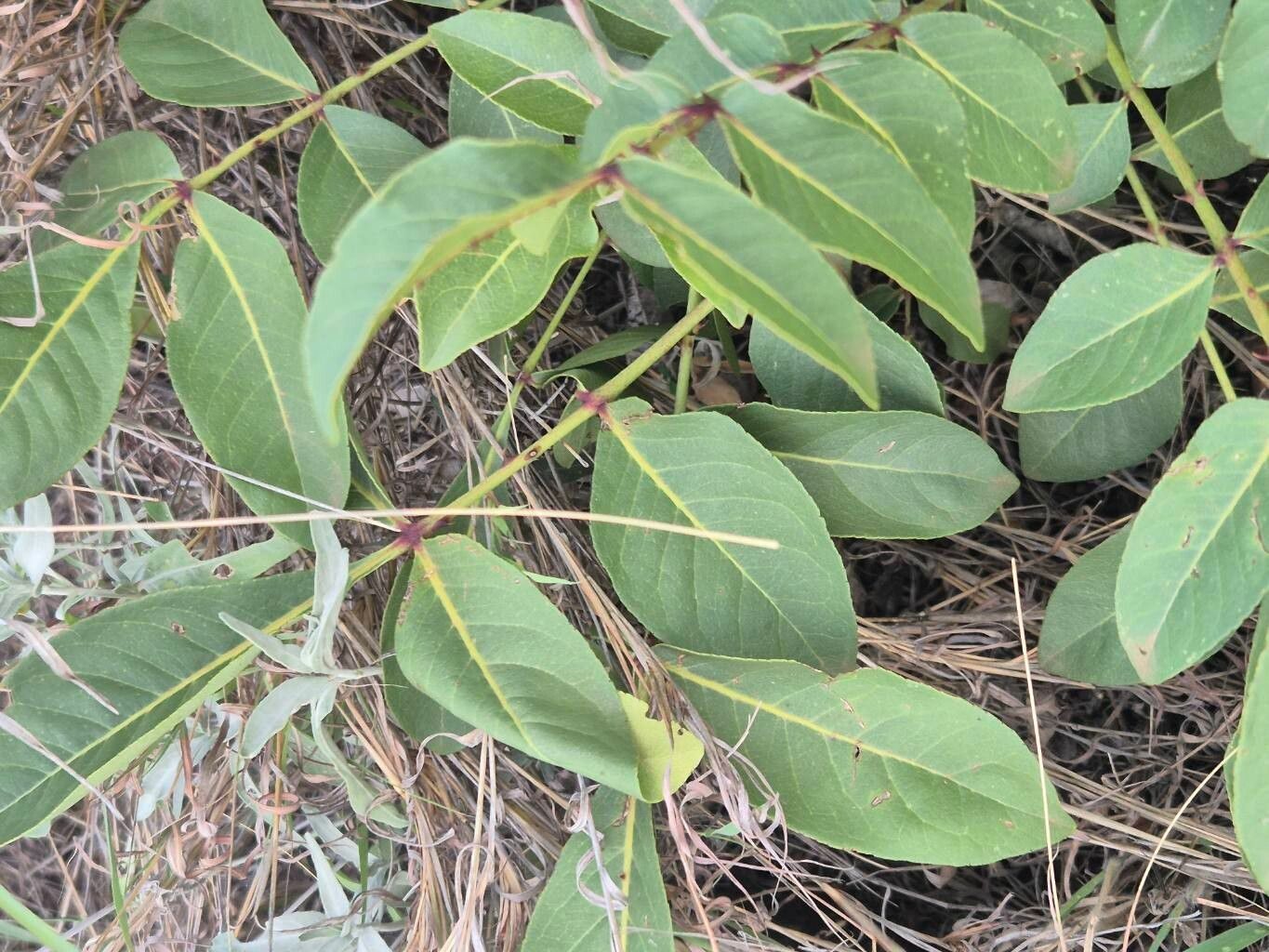
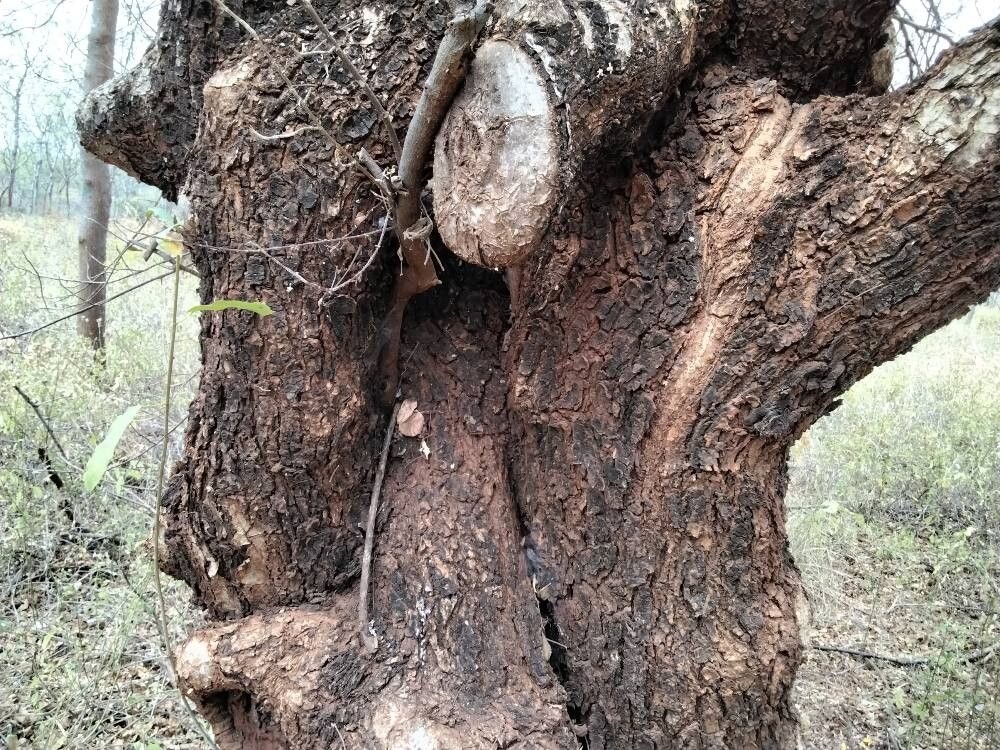
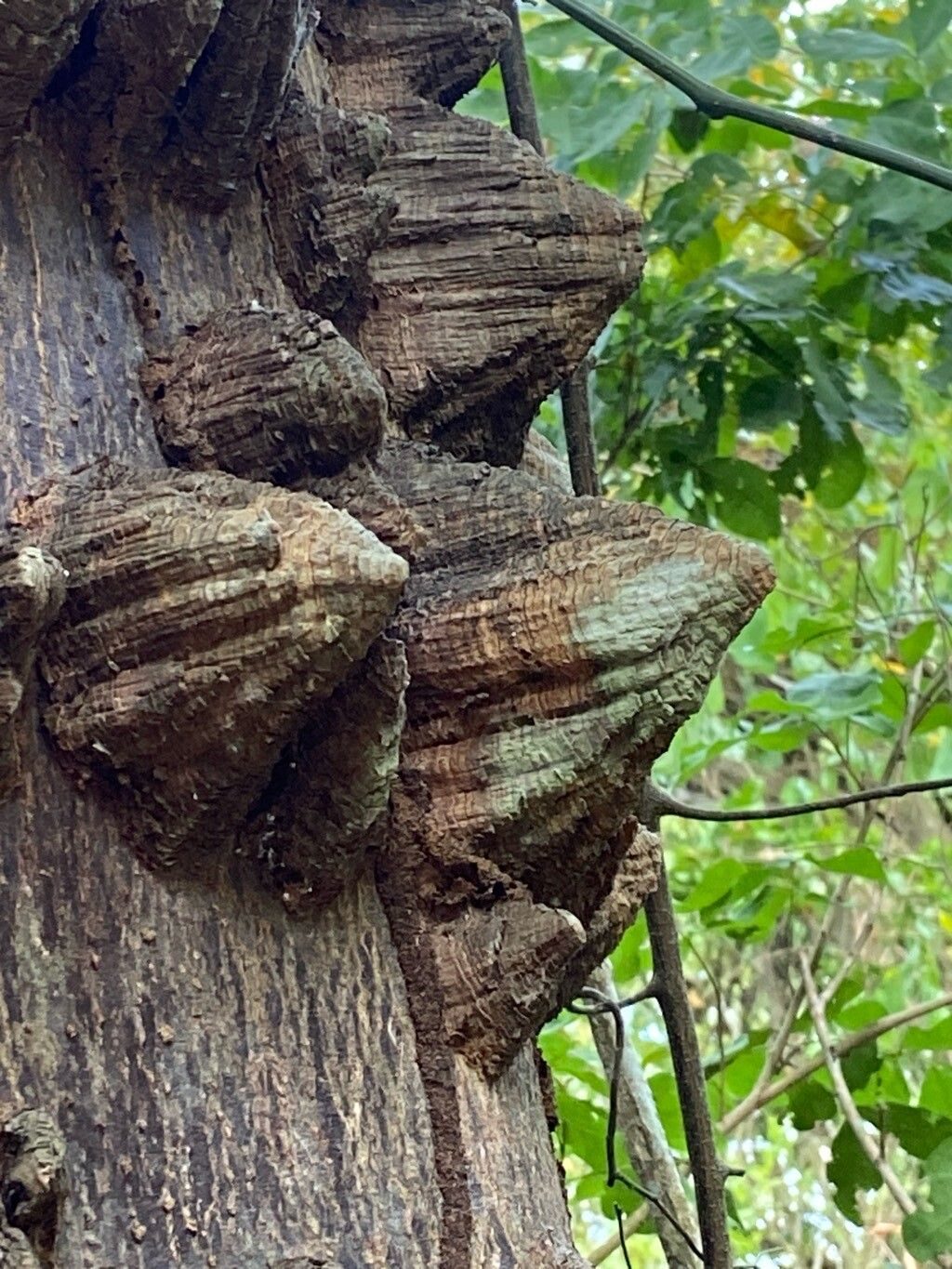
- Kinyarwanda name
- Intareyirungu
- English name
- Knobwood Tree
- Scientific name
- Zanthoxylum chalybeum
- Family
- Rutaceae
- Conservation status
- Least Concern (IUCN)
Habitat
Dry to medium-moisture woodland and bushland, sea level to about 1,600m.
Distribution
Eastern and southern Africa including Burundi, DR Congo, Kenya, Rwanda, Tanzania, Uganda and Zambia; a directly-observed record exists from Kayonza District, Rwanda.
Uses
The leaves are cooked and used as a vegetable; dried leaves are brewed to make an aromatic tea. Traditionally used for malaria, with some supporting laboratory evidence of antiplasmodial activity.
Ecological importance
As a citrus-family species it is a plausible host for swallowtail-type butterflies, following the pattern of related Zanthoxylum species.
Ibisobanuro
Amababi ni imboga; amababi yumye atekwamo icyayi cyiza. Ibishishwa bivura Malariya.