
Umwungo (Parasol Tree)
Polyscias fulva
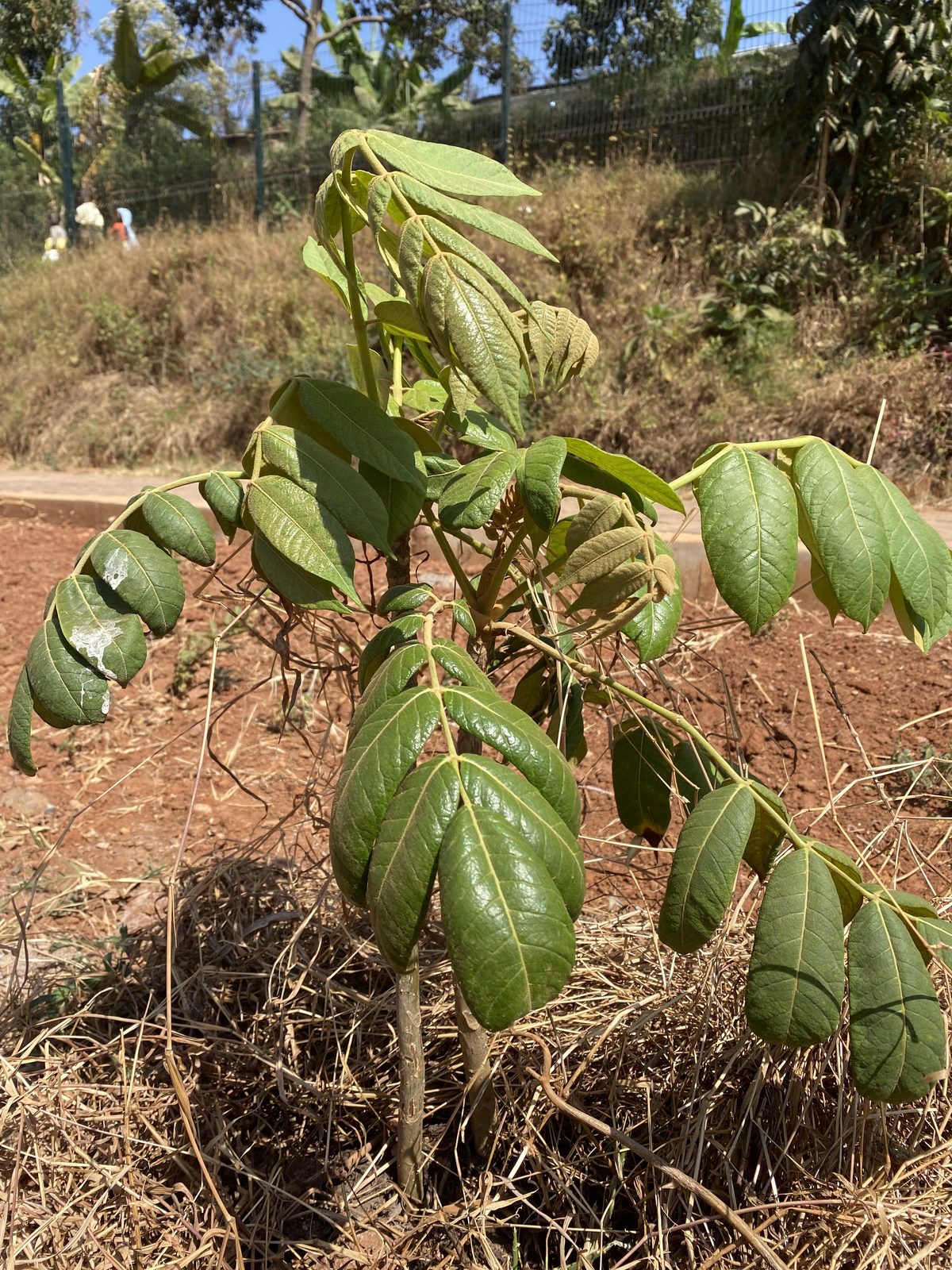
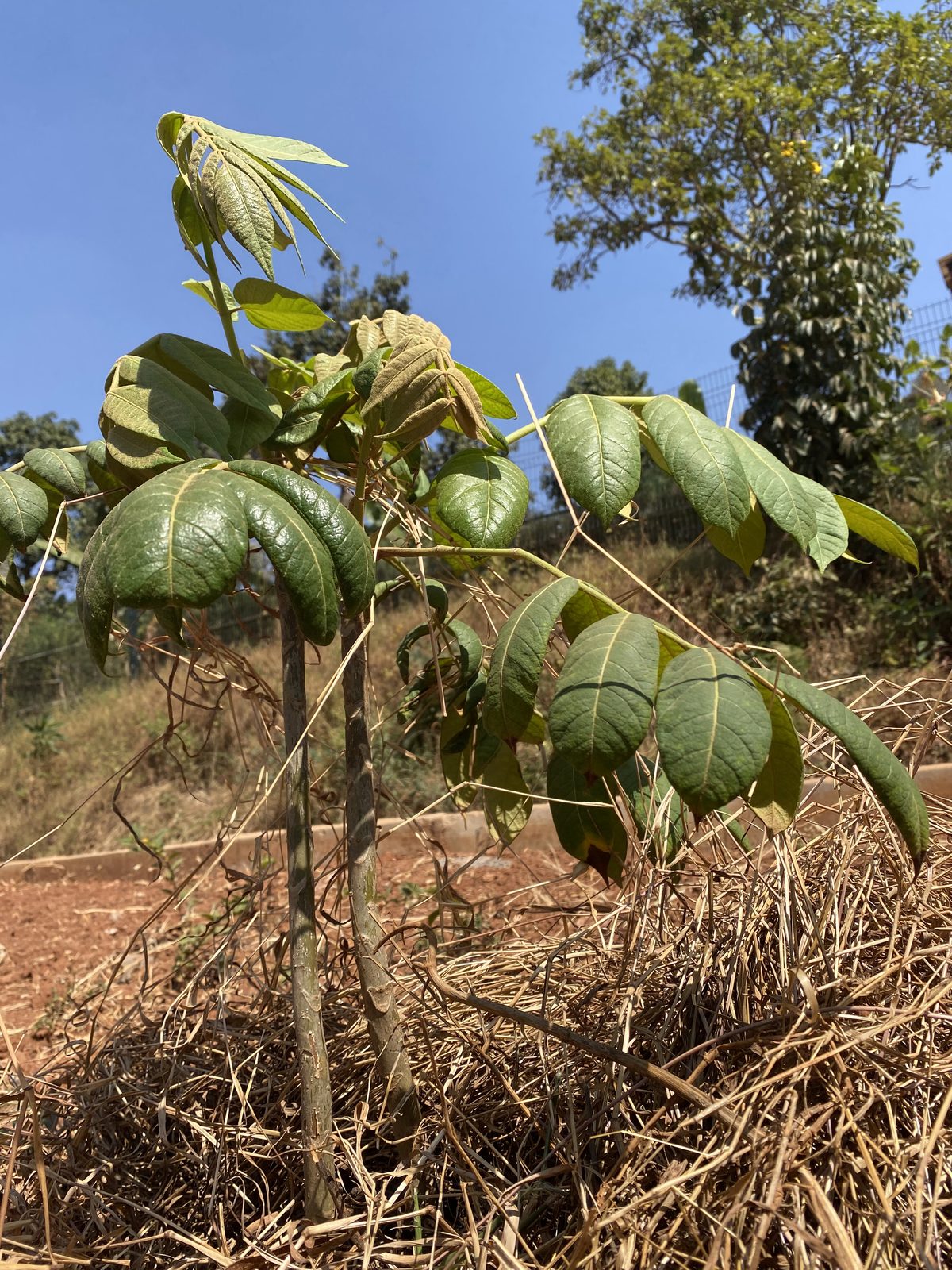
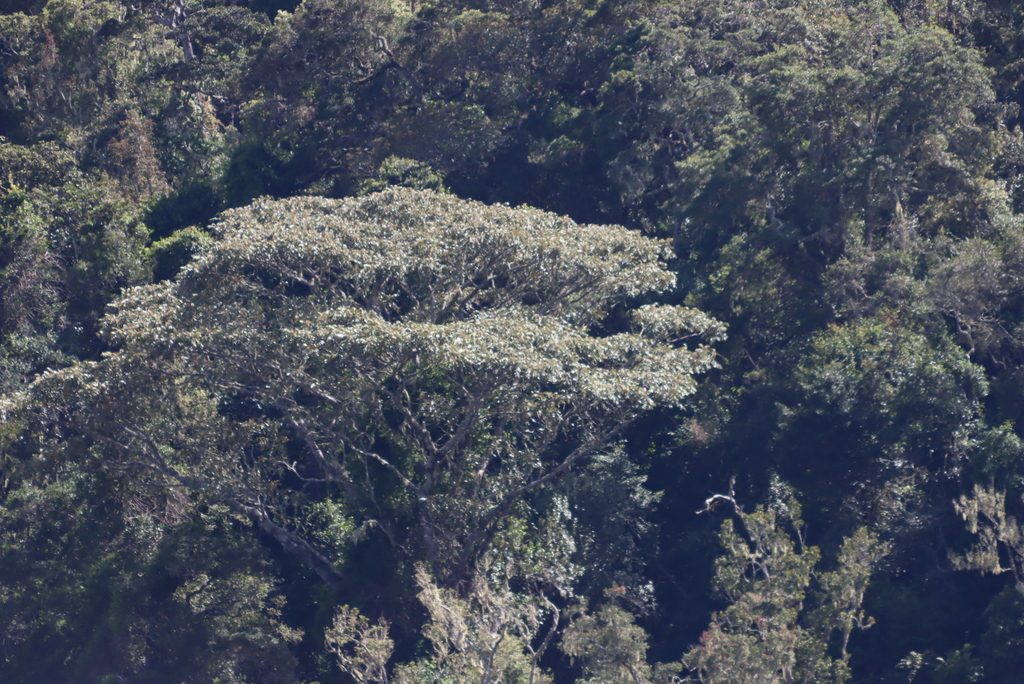
A fast-growing tree (25-30m) with a small, umbrella/parasol-shaped crown atop a long, straight, largely unbranched trunk. A classic pioneer of secondary forest, its leaves are clustered at the branch tips with whitish, felted undersides.
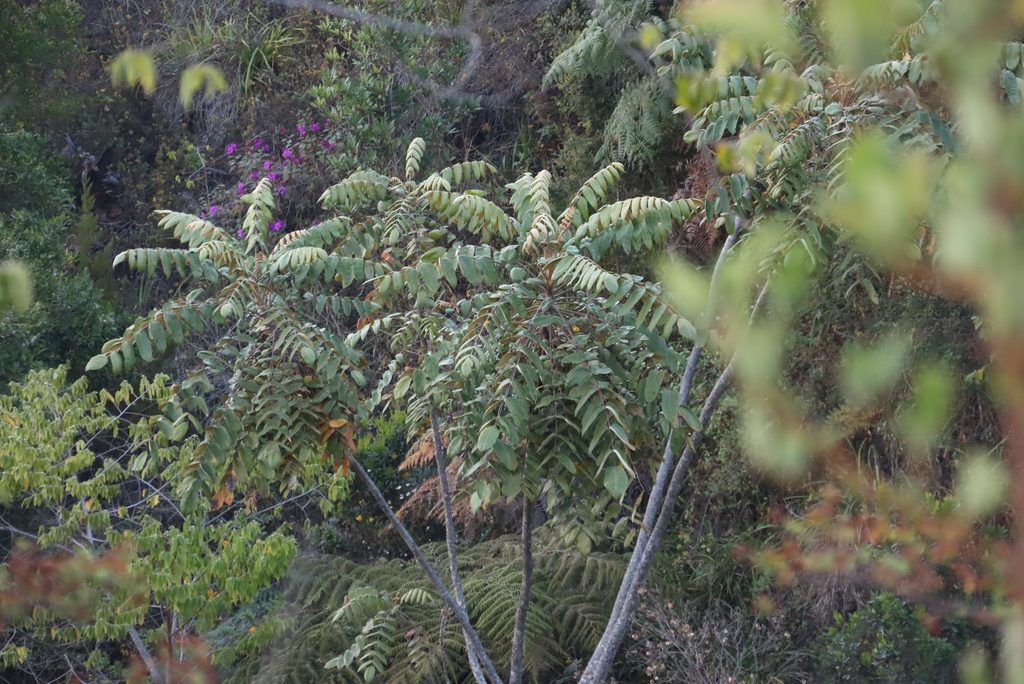
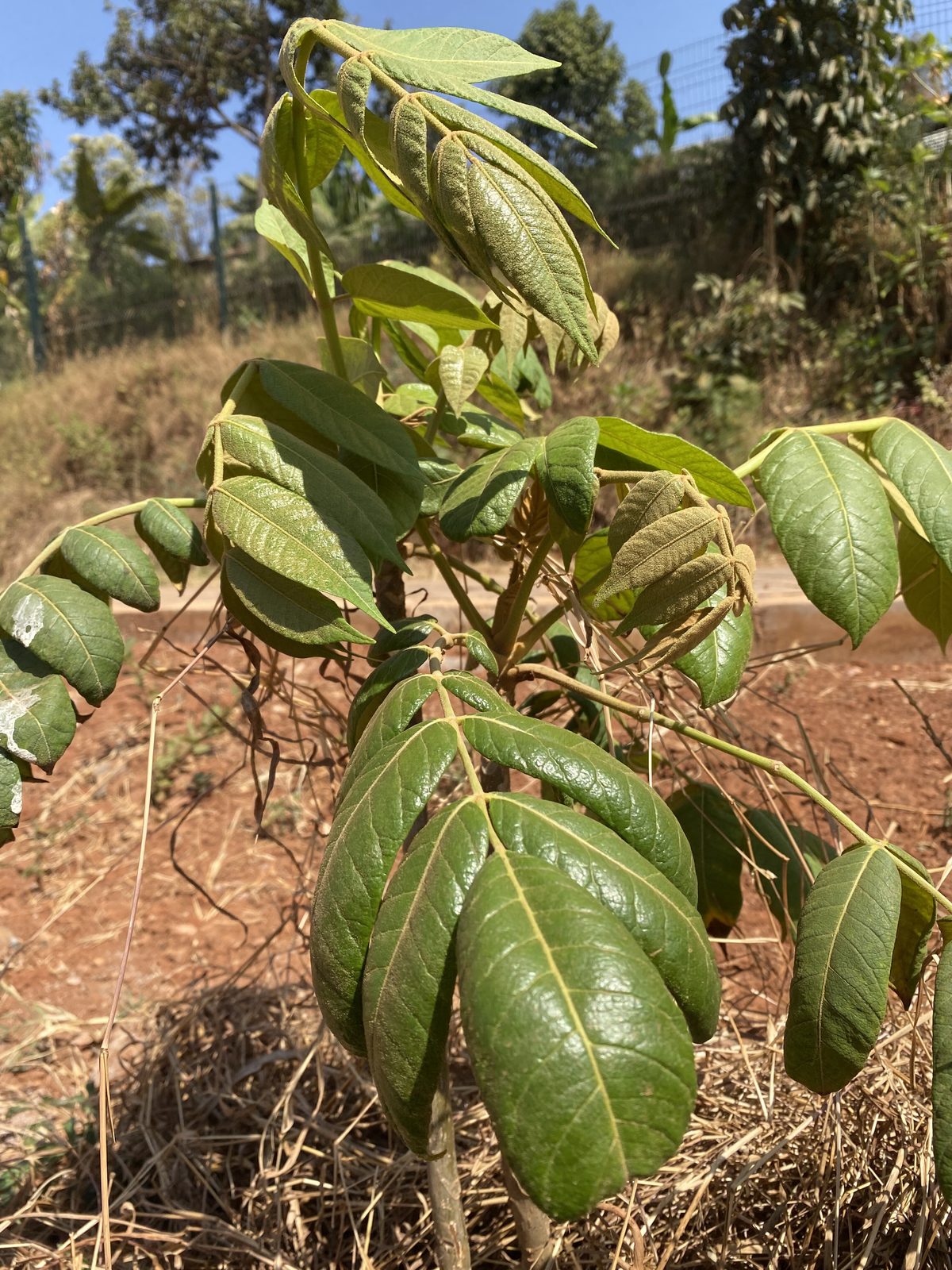
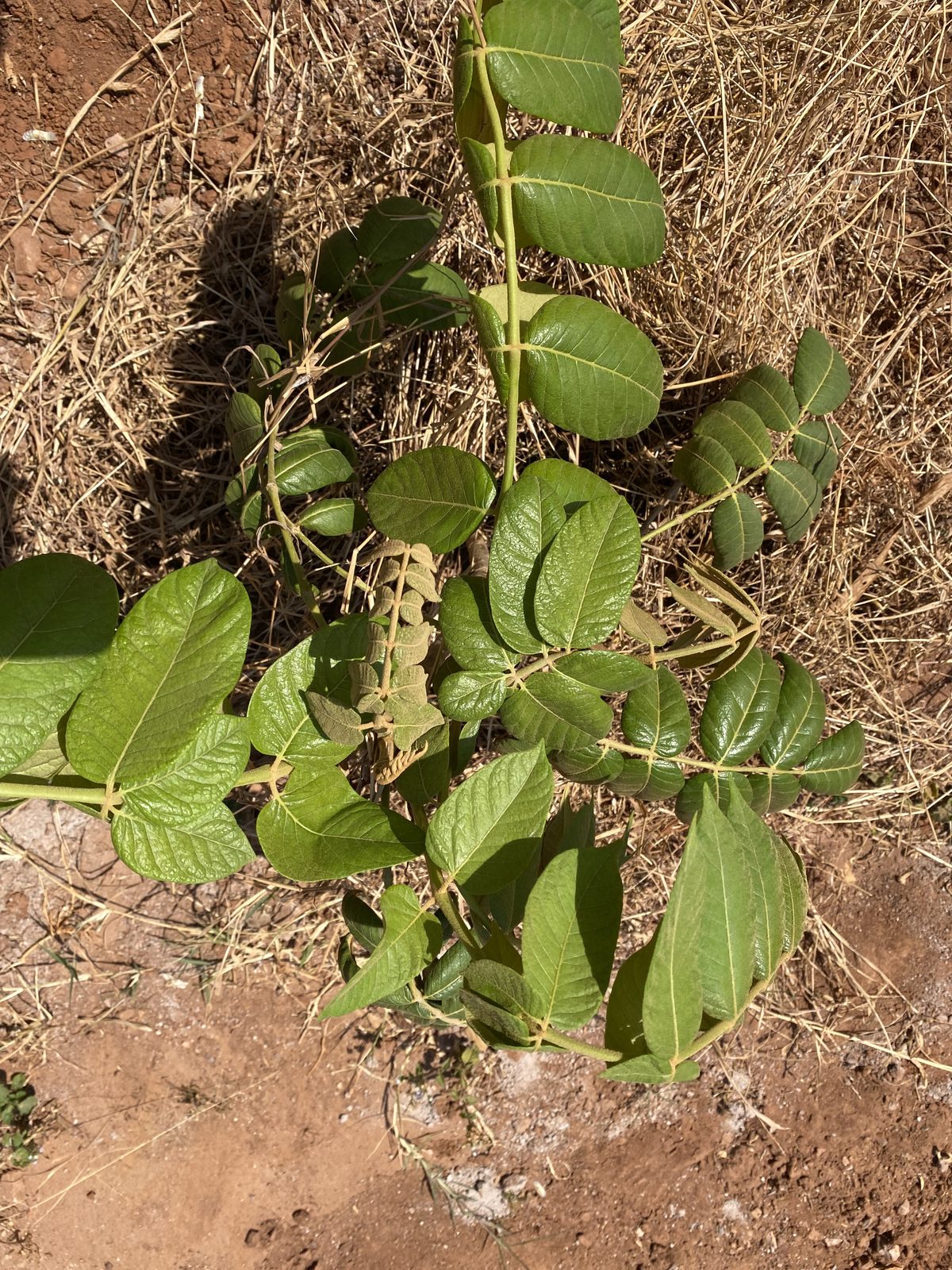
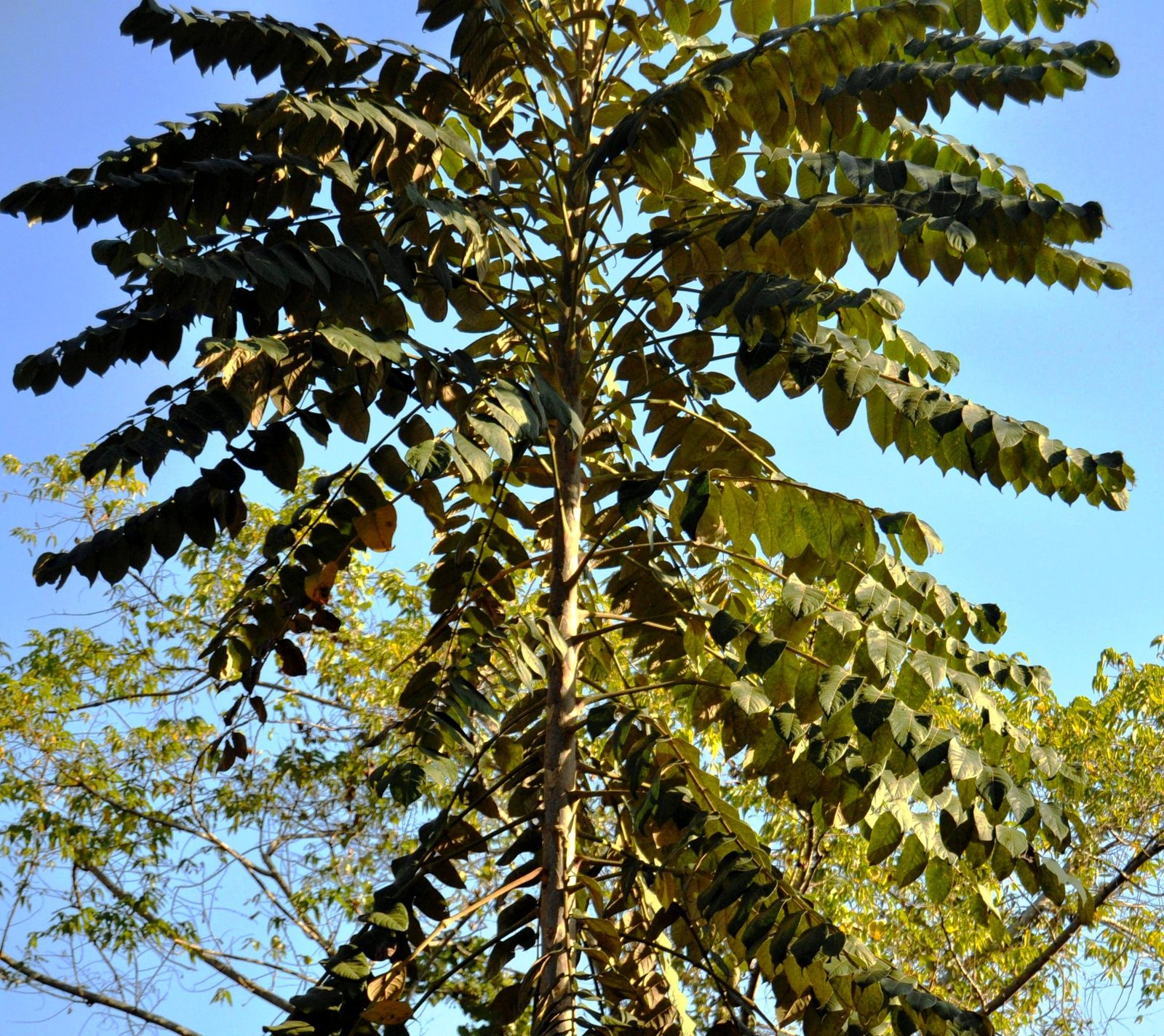
- Kinyarwanda name
- Umwungo
- English name
- Parasol Tree
- Scientific name
- Polyscias fulva
- Family
- Araliaceae
- Conservation status
- Least Concern (IUCN)
Habitat
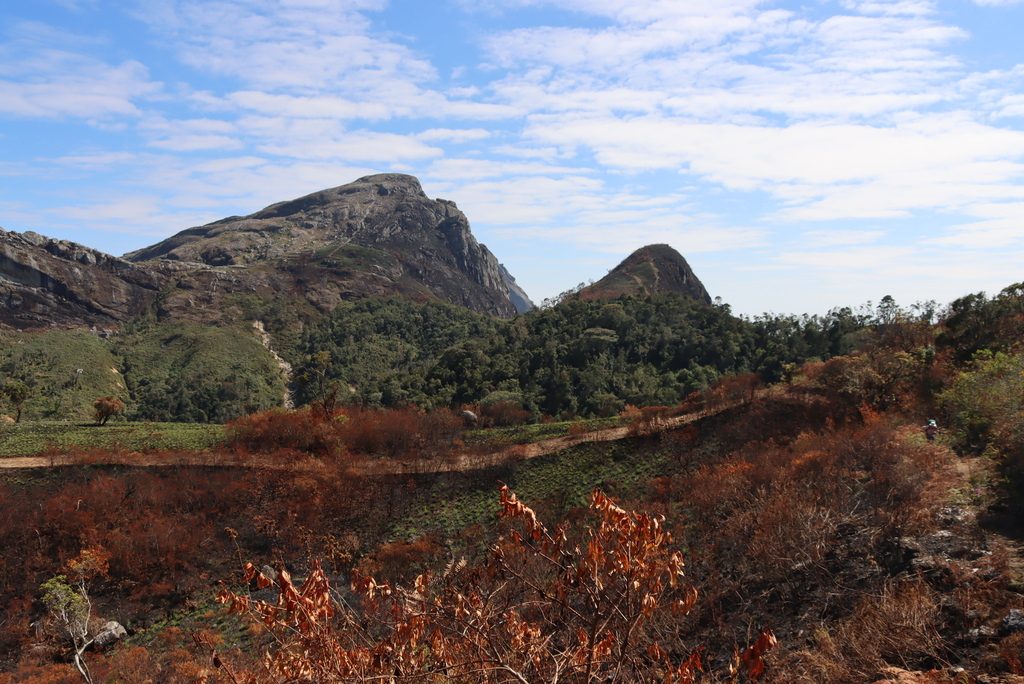
Mountain/montane forest, especially disturbed or secondary forest, at 750-2,500m.
Distribution
Tropical Africa from Guinea/Sierra Leone east to Ethiopia, south to Mozambique/Zimbabwe/Angola, plus Yemen; confirmed present in Rwanda, where it can reach 20m in 10-15 years.
Uses
The wood is used to carve handicraft, beehives, musical instruments and drums (including the Inanga zither); the stem bark contains triterpene saponins with demonstrated antifungal, antibacterial and antioxidant activity.
Ecological importance
As a pioneer species it is important for natural forest regeneration after disturbance; flowers are a good nectar/pollen source for honeybees.
Ibisobanuro
Mu giti babazamo ingoma, Inanga, Ibyima (Imitiba y'inzuki), ndetse n'imbaho. Gitanga inkwi.