
Umuberanya (Southern Cattail)
Typha domingensis
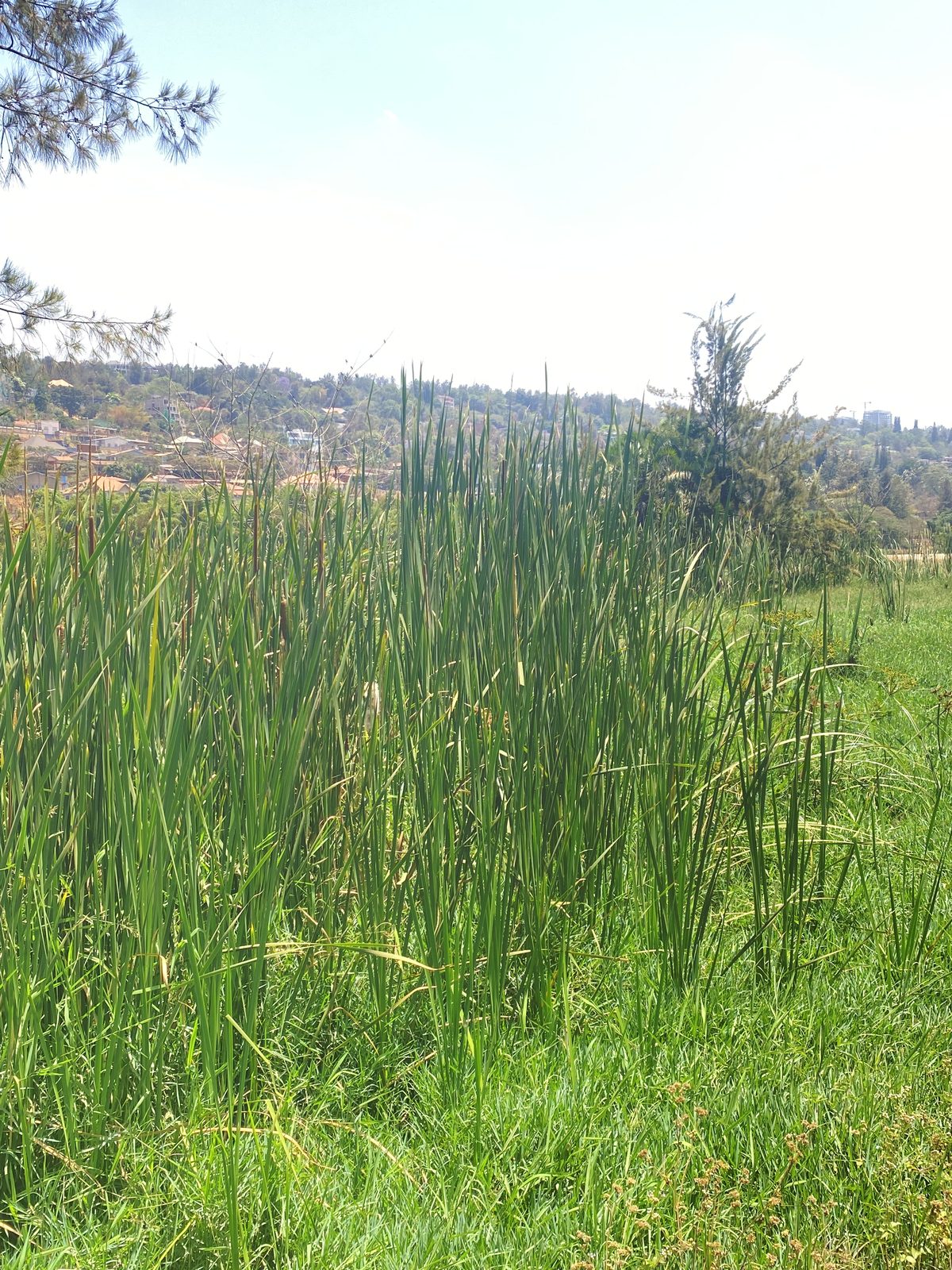
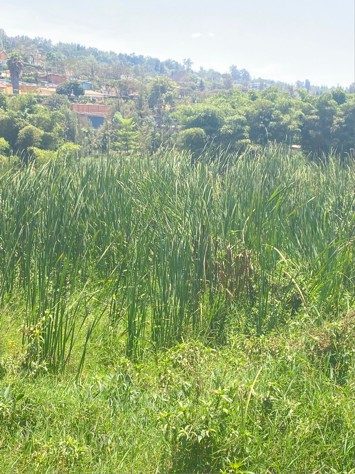
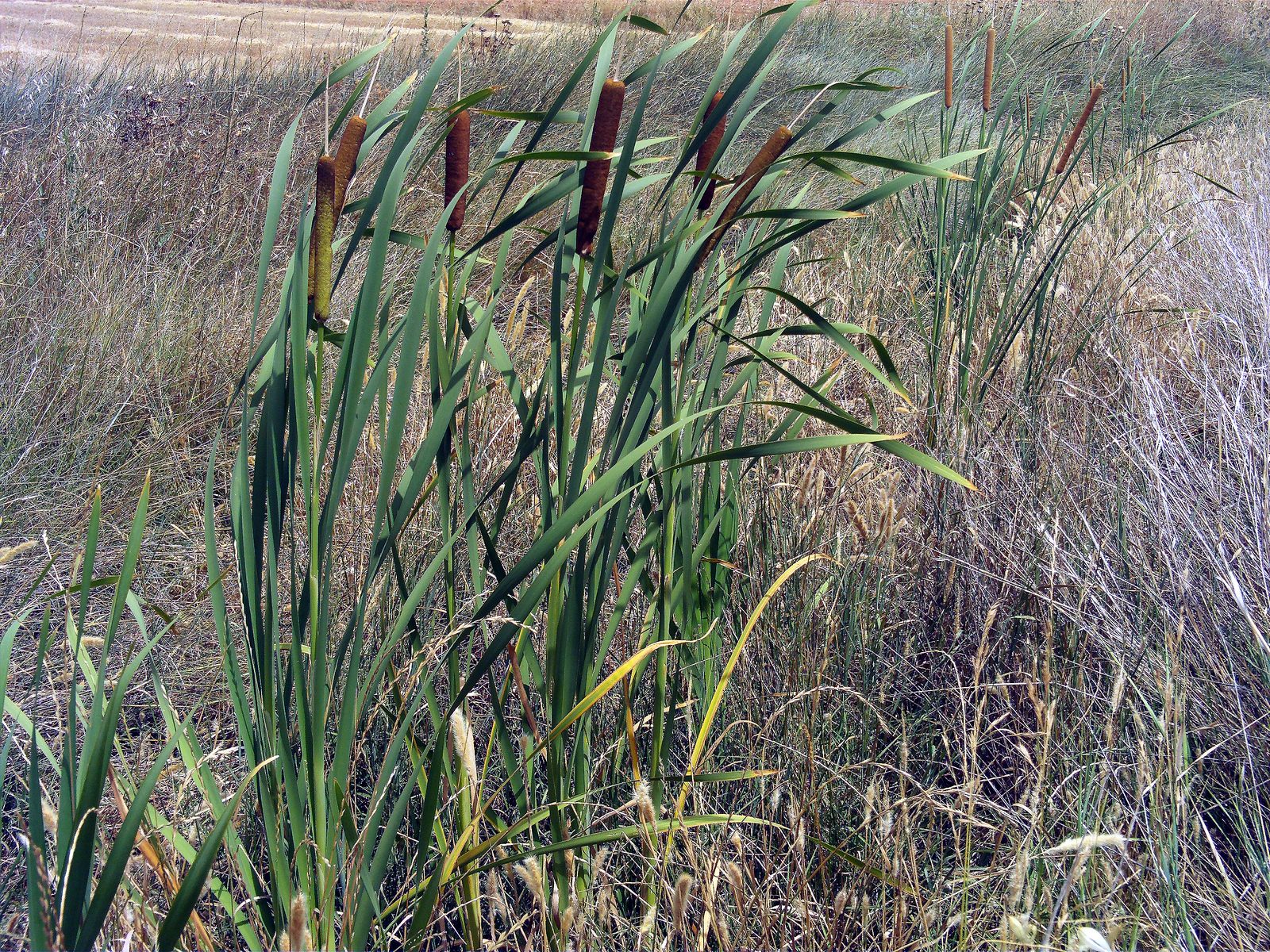
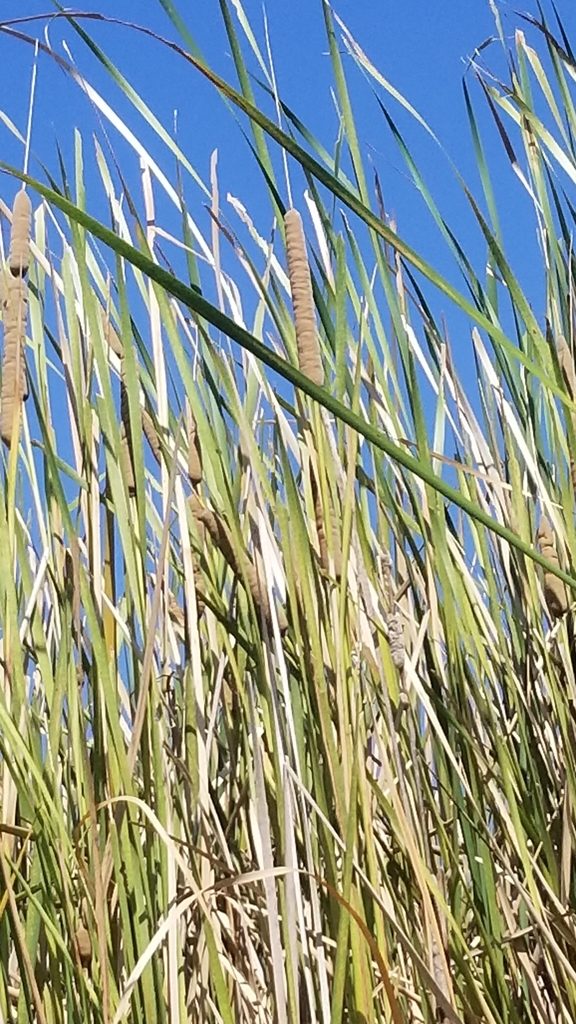
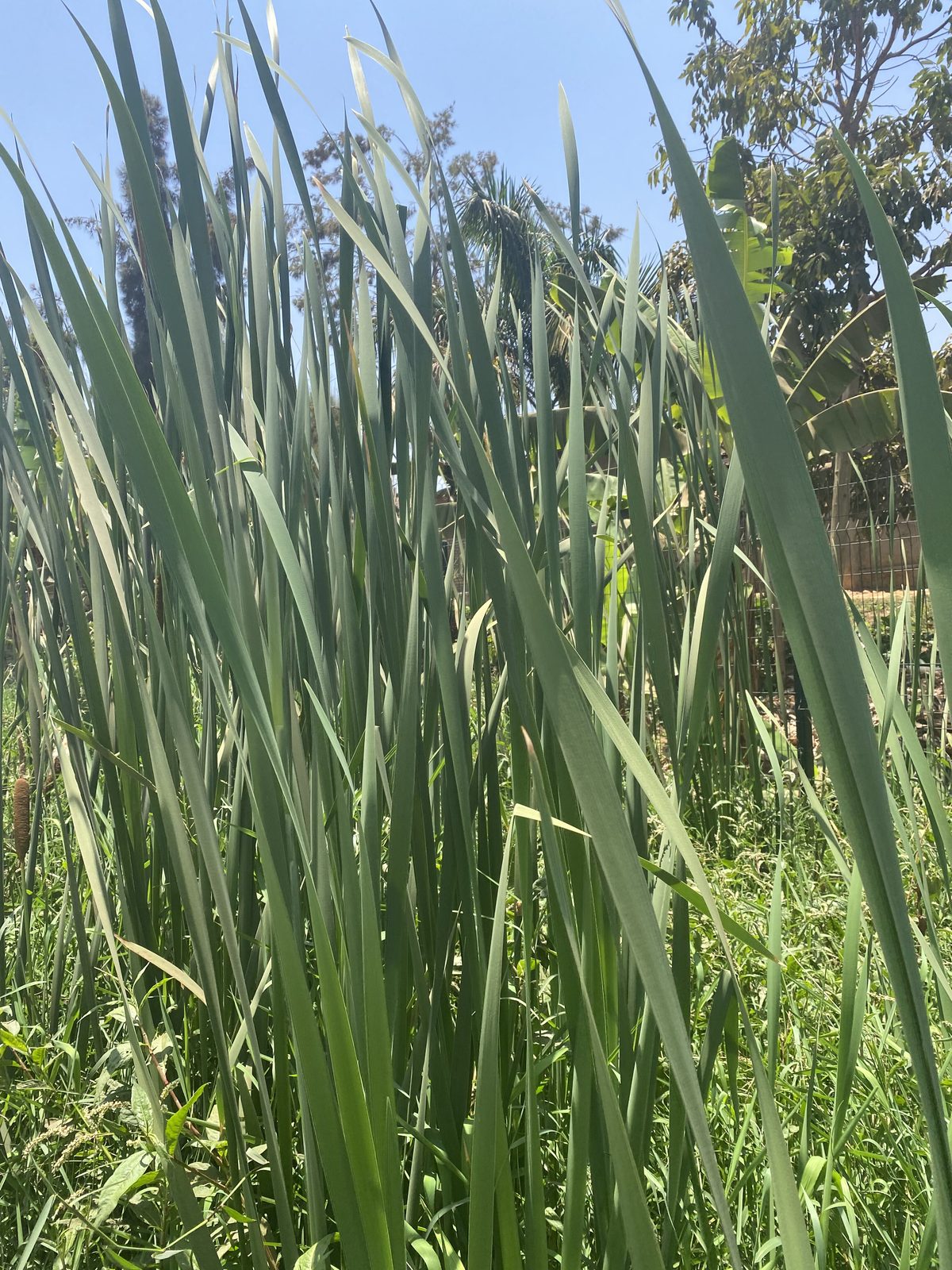
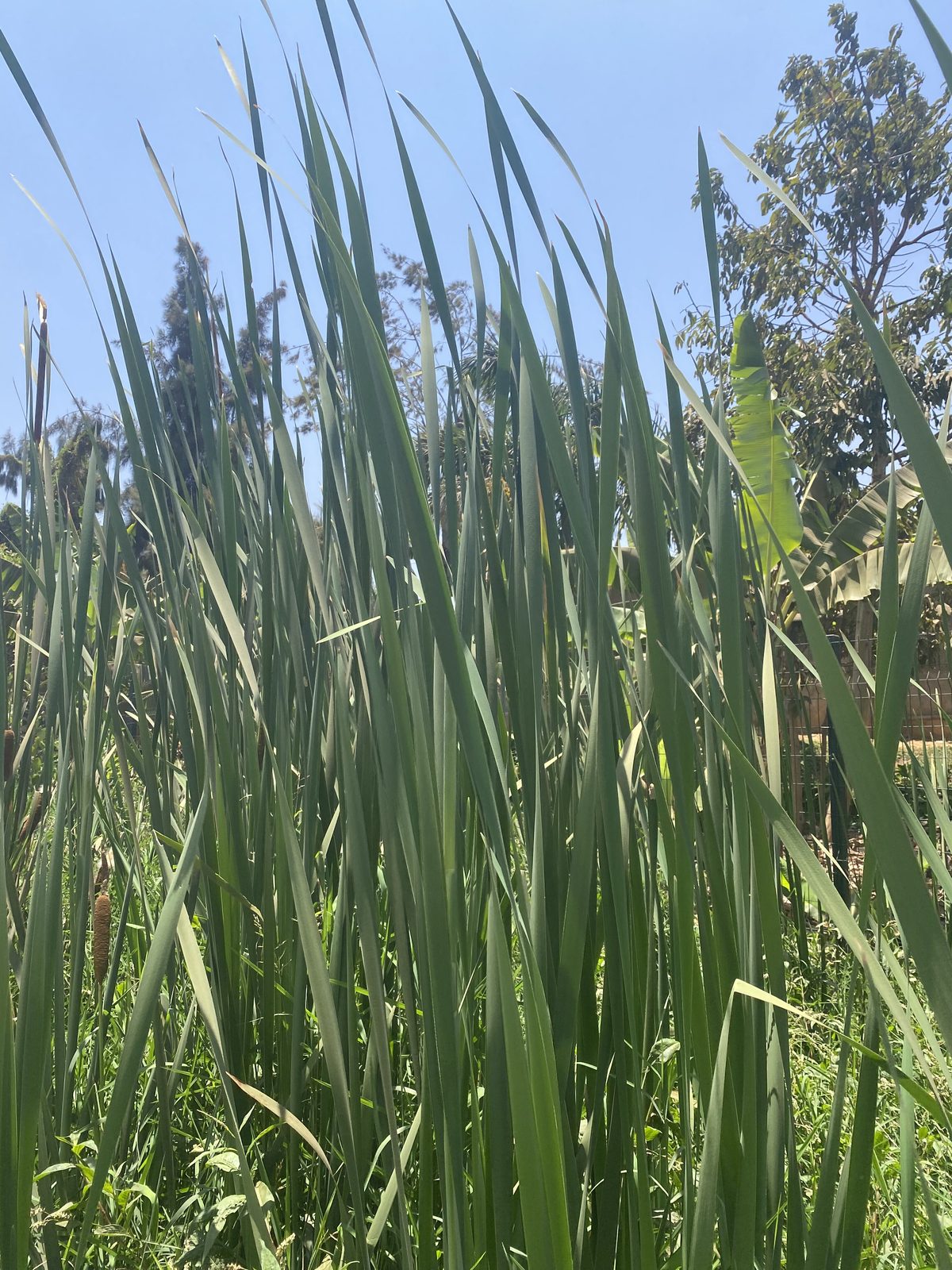
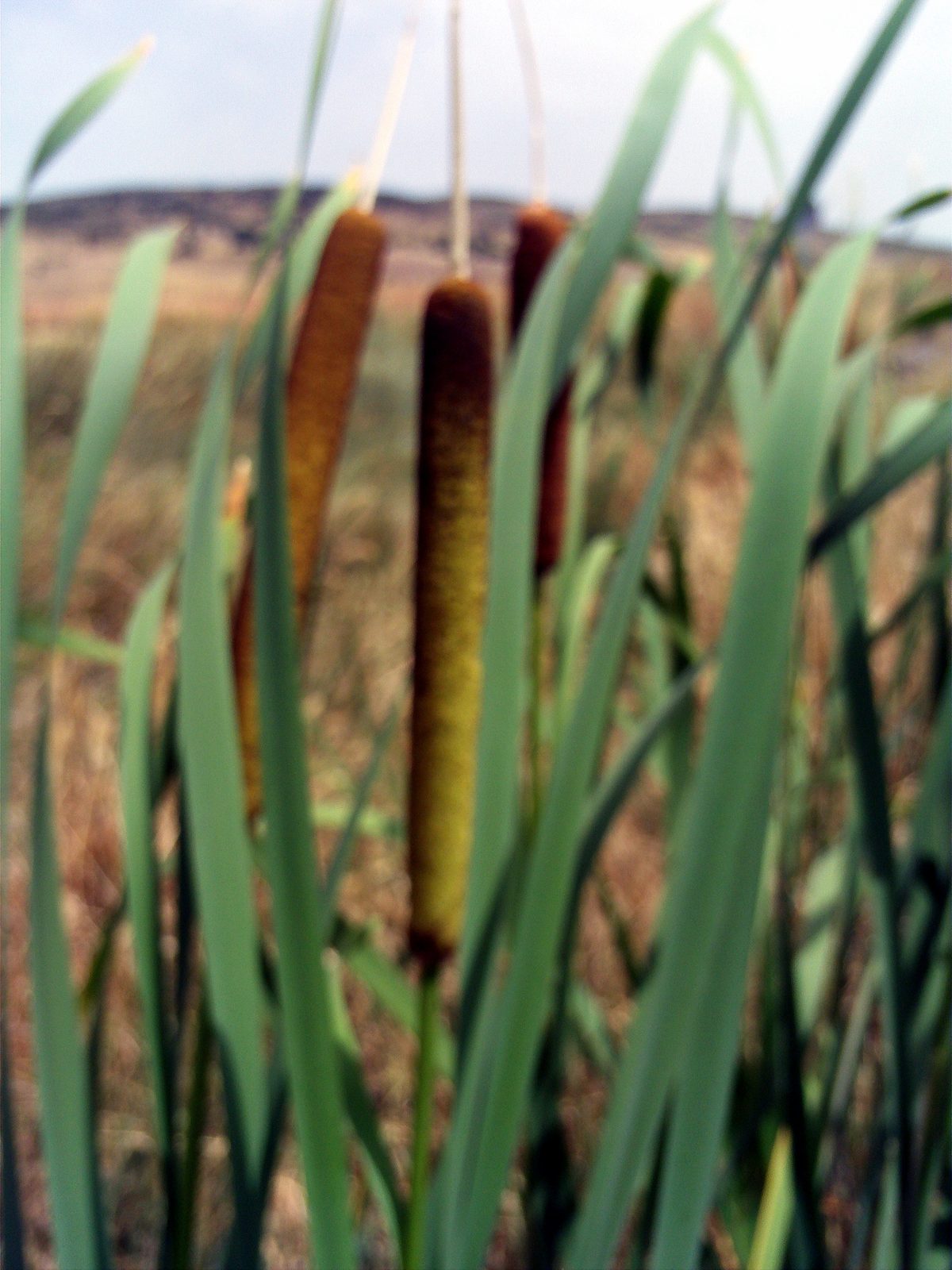
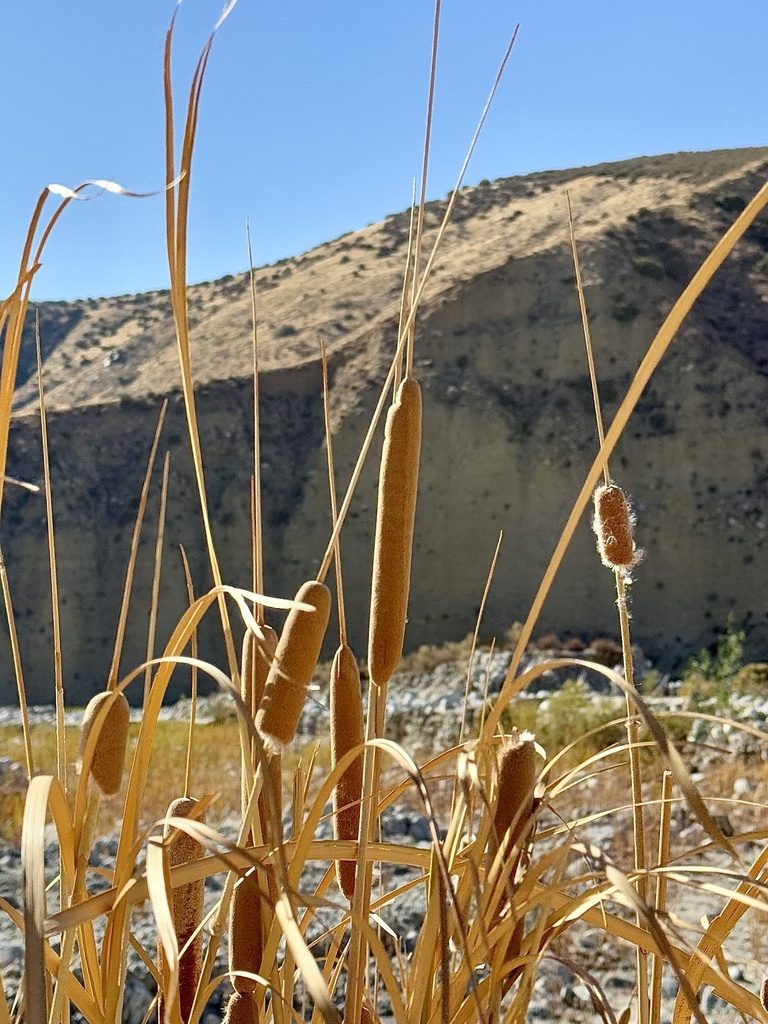
A perennial rhizomatous marsh herb with erect, unbranched, reed-like stems (1.5-4m). Its iconic brown cylindrical flower spike shows a clear gap between the male and female sections - the key field mark distinguishing it from the similar common cattail.
- Kinyarwanda name
- Umuberanya
- English name
- Southern Cattail
- Scientific name
- Typha domingensis
- Family
- Typhaceae
- Conservation status
- Least Concern (IUCN)
Habitat
Freshwater-to-brackish marshes and nutrient-rich ditches, generally below about 1,500m.
Distribution
Cosmopolitan across tropical, subtropical and warm-temperate regions worldwide; confirmed present in Rwanda as a dominant marsh species of the Nyabarongo wetlands.
Uses
Making mats, hats and baskets. Ancient Rwandese used Typha in manufacturing salt.
Ecological importance
Forms extensive marsh stands that stabilise wetland soils and filter/improve water quality, providing cover and nesting habitat for wetland birds and invertebrates.
Ibisobanuro
Babohagamo ibirago, ingofero, n'ibyibo. Bakoragamo umunyu wo kurya.