
Umurehe (African Fig)
Ficus ovata
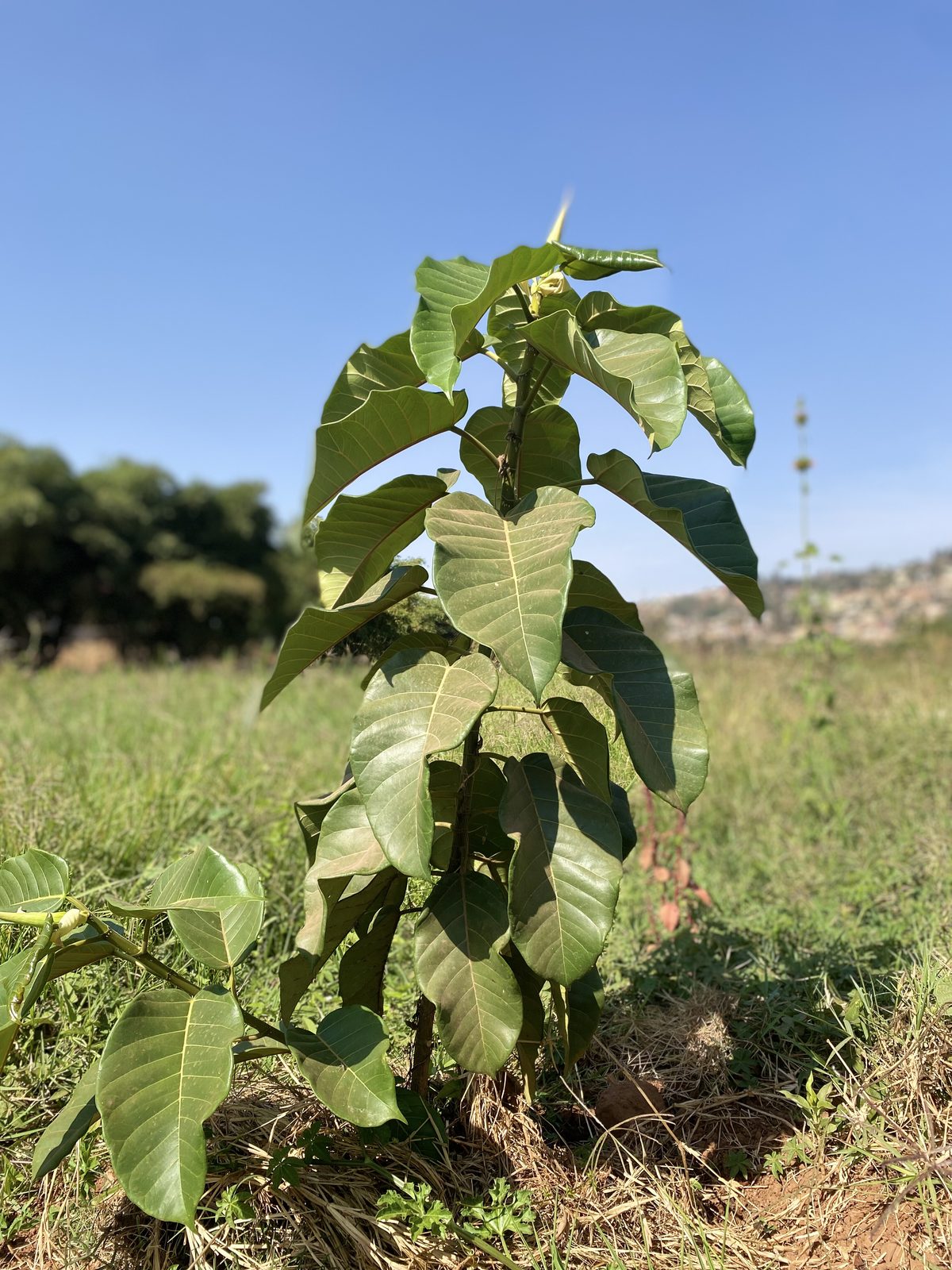
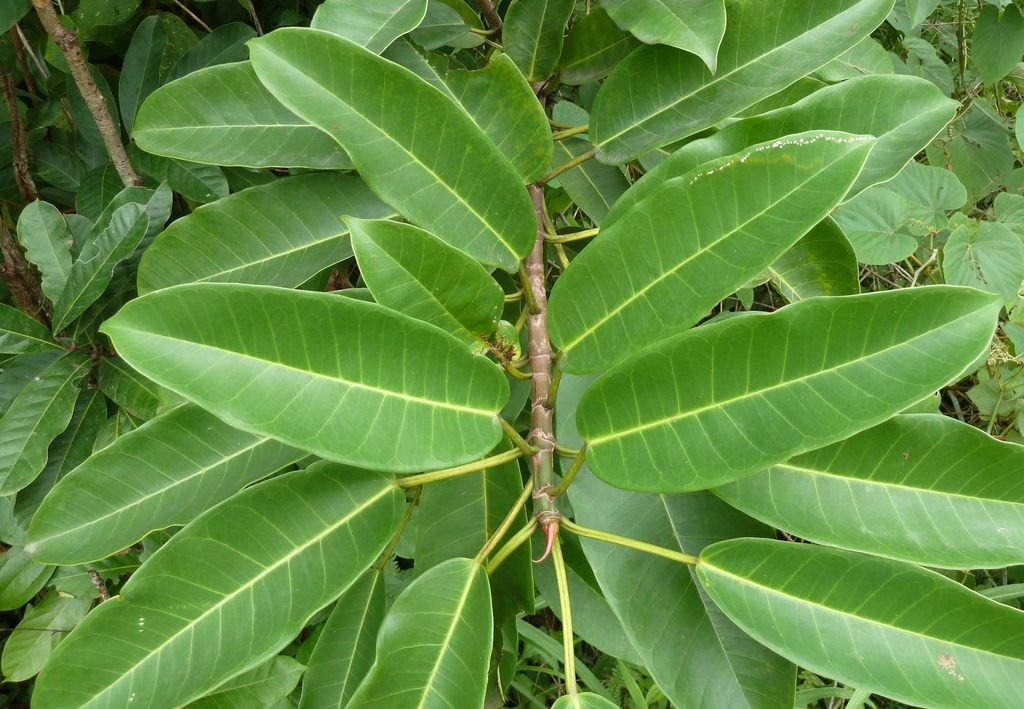
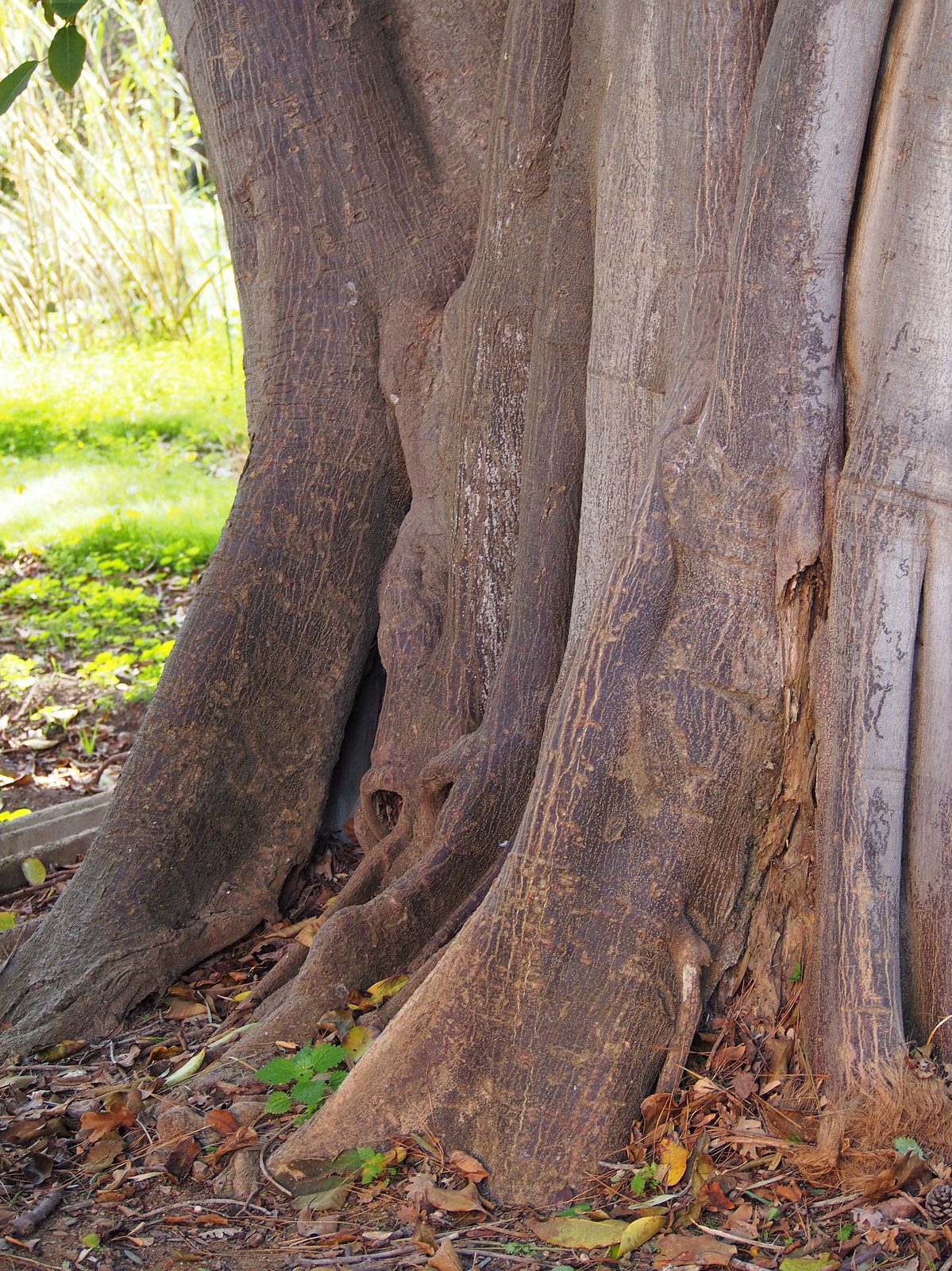
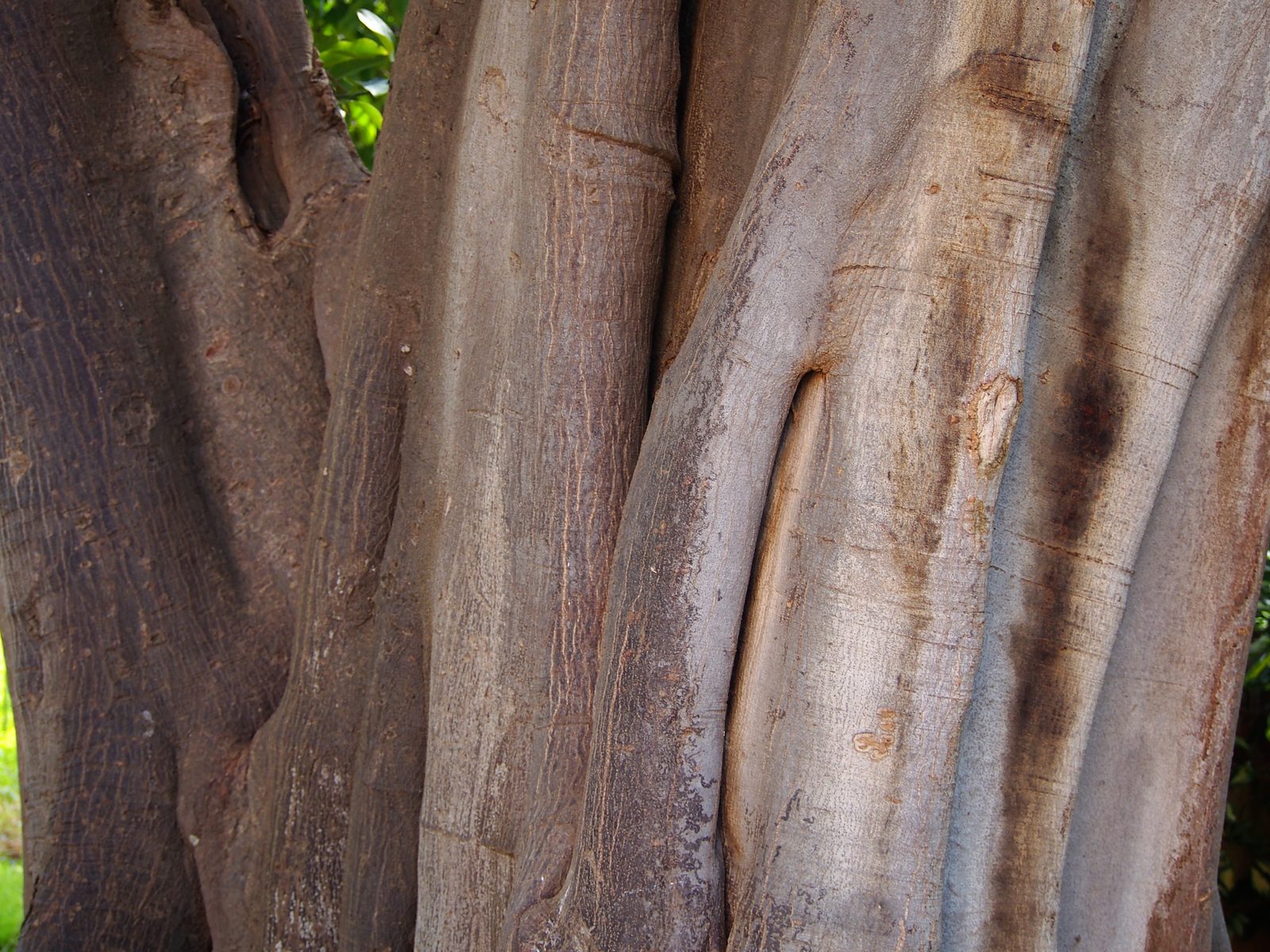
Often begins life as an epiphyte on a host tree before sending down aerial roots and becoming free-standing, with a broad spreading crown and milky latex typical of figs. (Note: GBIF's taxonomic backbone treats 'Ficus ovata' as a synonym of Ficus laurifolia, while POWO and African ethnobotanical sources use Ficus ovata directly - worth resolving against a current African flora before this goes to print. The photos here are of cultivated botanical-garden specimens labelled Ficus laurifolia.)
- Kinyarwanda name
- Umurehe
- English name
- African Fig
- Scientific name
- Ficus ovata
- Family
- Moraceae
Habitat
Wooded savanna, gallery-forest edges, riverbanks and secondary/rain forest at damp sites, up to about 2,100m; in Rwanda specifically noted scattered in cropland.
Distribution
Senegal to Eritrea/Ethiopia, south through Angola, Zambia, Mozambique and Madagascar; confirmed present and native to Rwanda (Bugesera region).
Uses
The bark gives long strips of fibre used to make traditional bark-cloth clothing.
Ecological importance
Classic fig-fig-wasp obligate pollination relationship; fruit is a food source for birds and mammals; its epiphytic/strangler habit contributes structurally to forest dynamics.
Ibisobanuro
Igishiswa cyawo bagikoragamo inkanda.