
Munuka (White Stinkwood)
Celtis africana
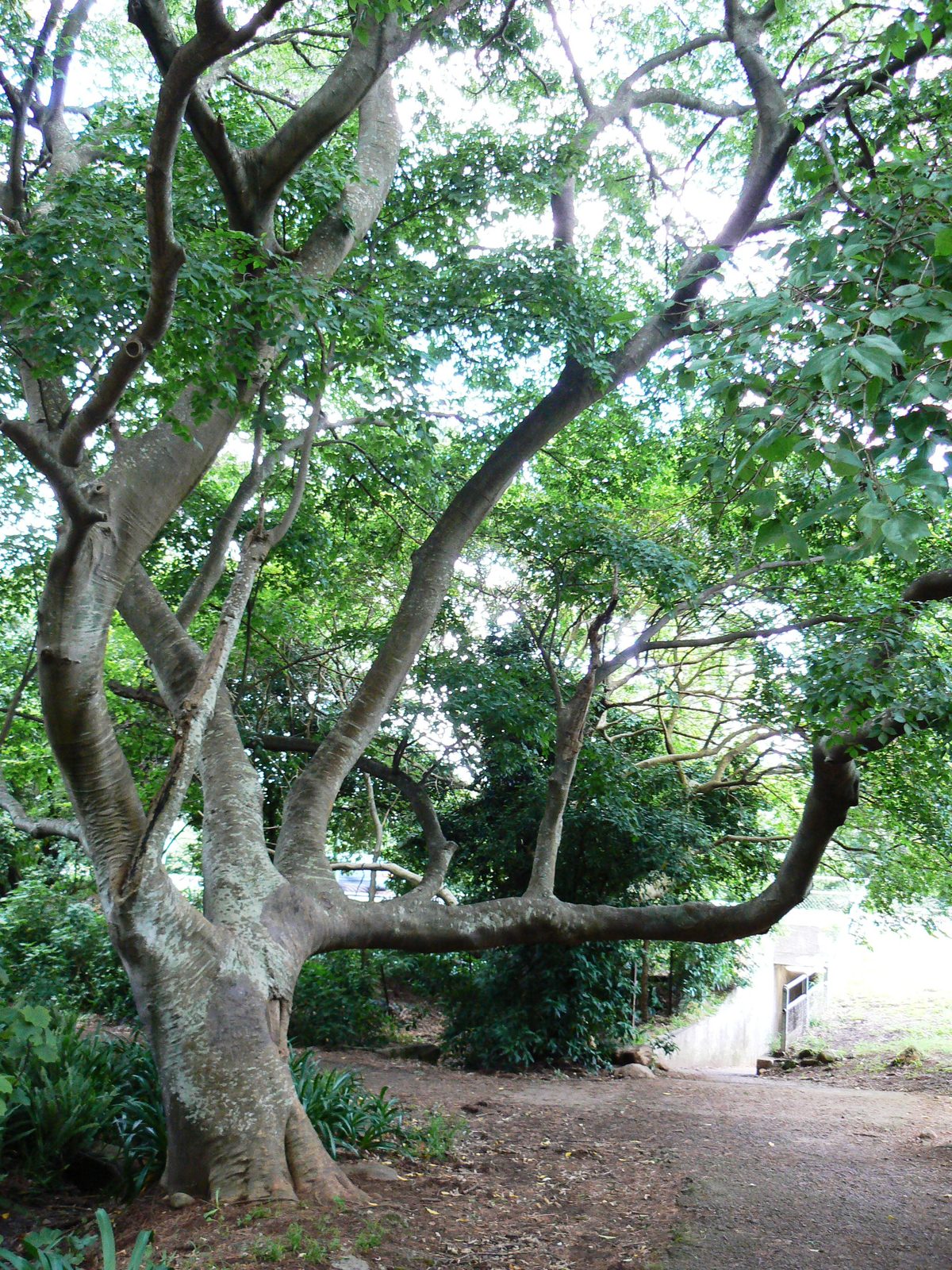
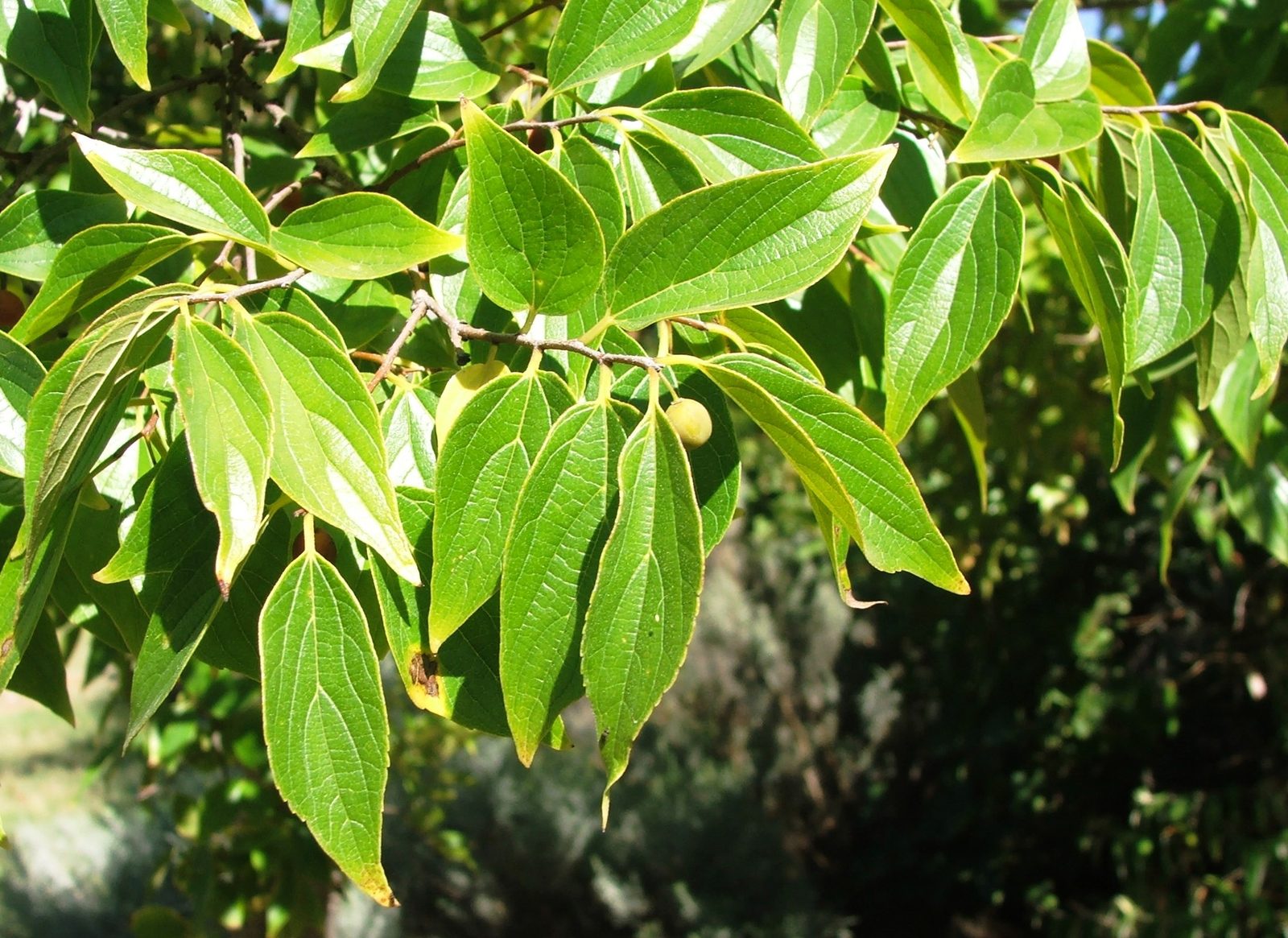
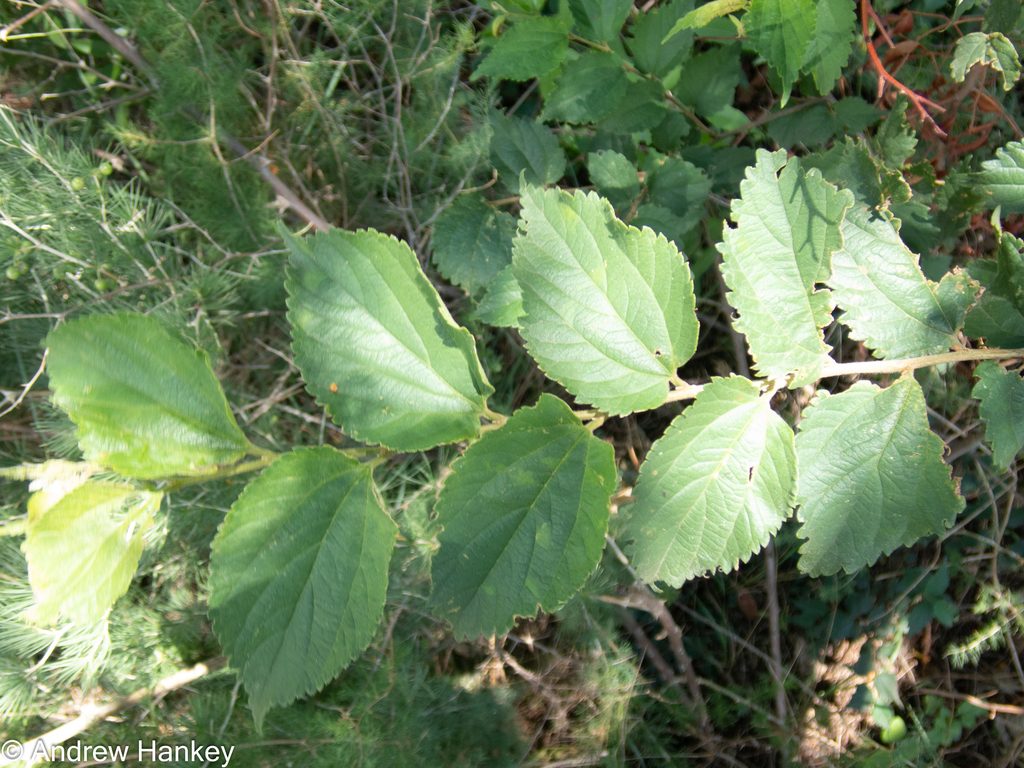
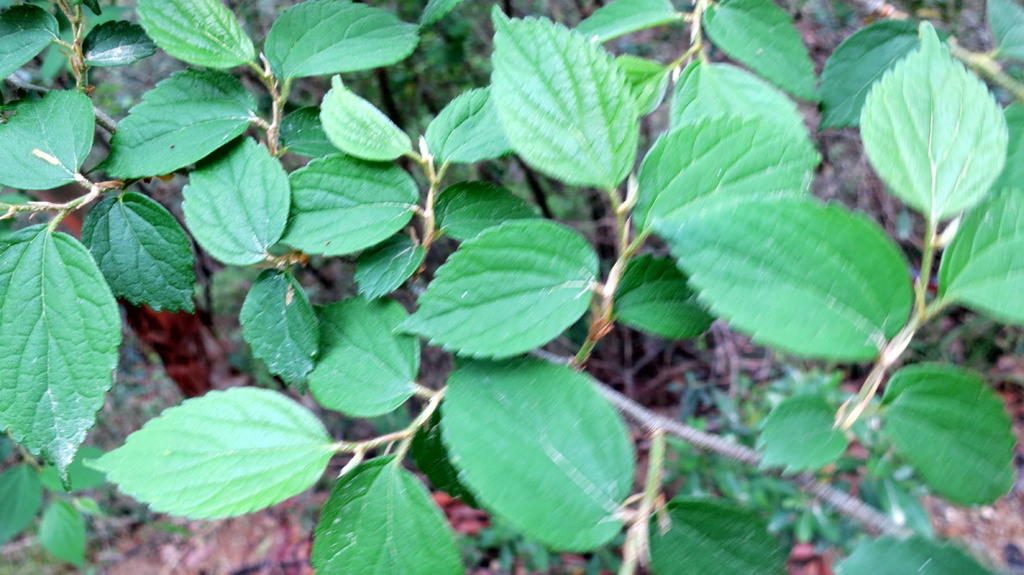
A deciduous tree with a single straight trunk, reaching 25m in forest (often 12m in open settings). Bark is smooth, pale grey-to-white, loosely peeling with age, and the wood has a distinctive unpleasant smell when freshly cut - the source of its common name.
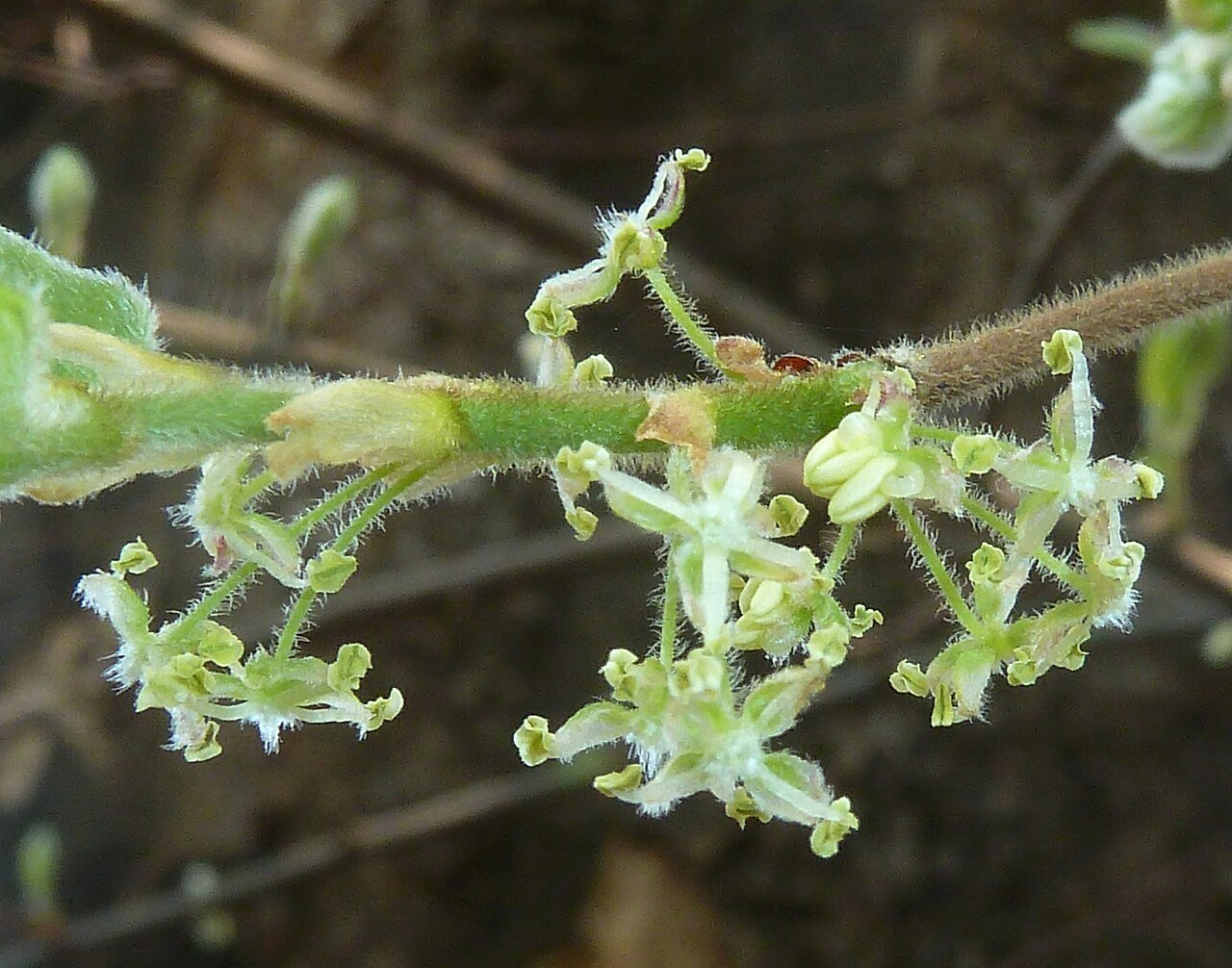
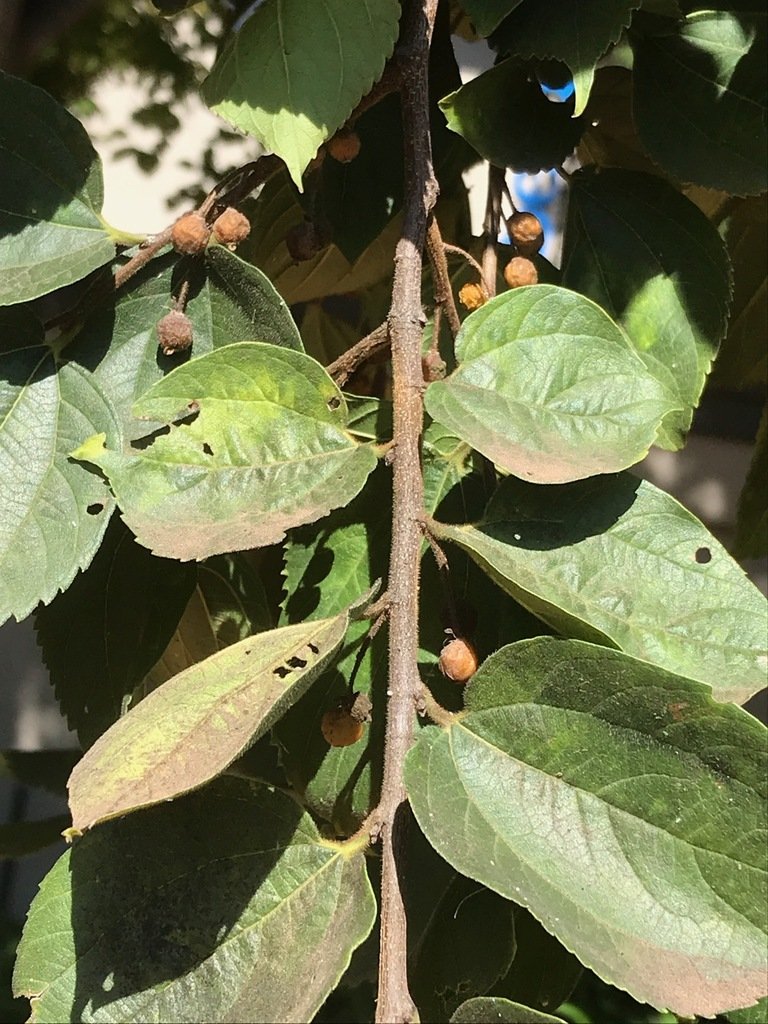
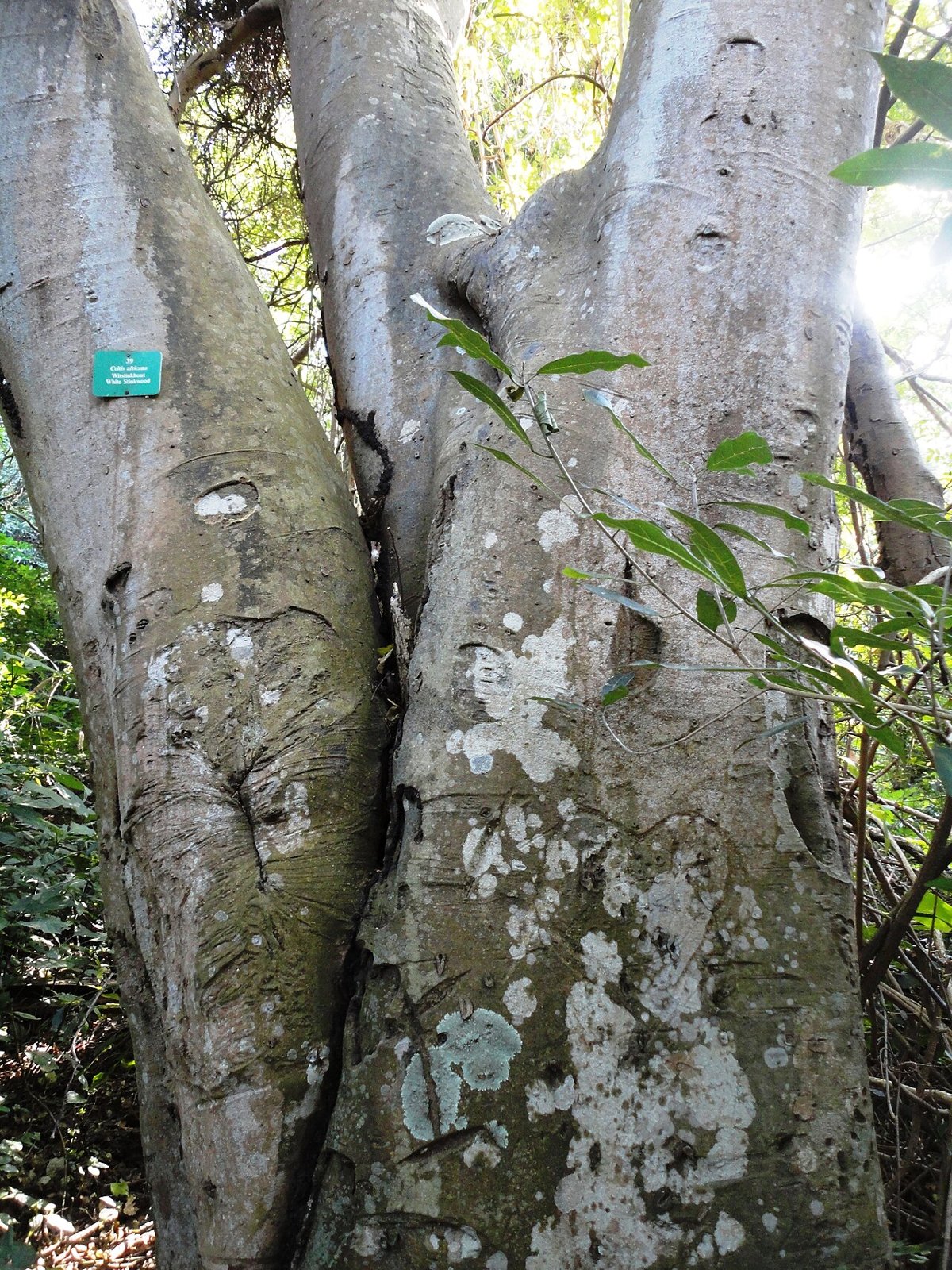
- Kinyarwanda name
- Munuka
- English name
- White Stinkwood
- Scientific name
- Celtis africana
- Family
- Cannabaceae
Habitat
Highly adaptable: dense forest, rocky outcrops, bushveld, open grassland, mountain slopes, coastal dunes and riverbanks, sea level to about 2,100m.
Distribution
Very wide African range including Angola, Ethiopia, Kenya, Tanzania, Uganda, Zambia, Zimbabwe, south to South Africa; confirmed within Rwanda's native range.
Uses
Timber.
Ecological importance
Fruits eaten by many bird species and by baboons/monkeys, aiding seed dispersal; foliage browsed by cattle and goats; larval host plant for several butterfly species.
Ibisobanuro
Gitanga imbaho.