
Umububa (Poison Pod Albizia)
Albizia versicolor
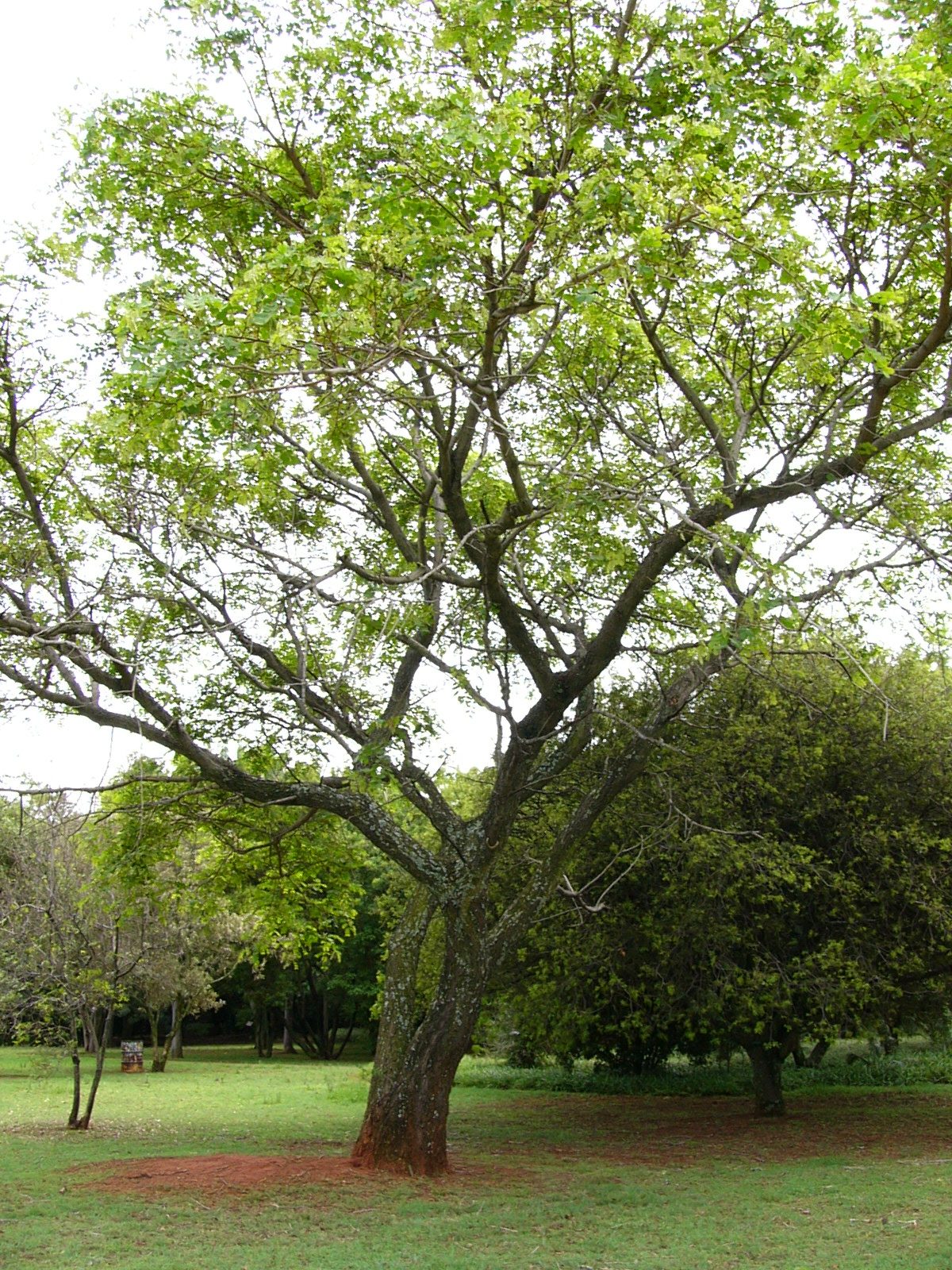
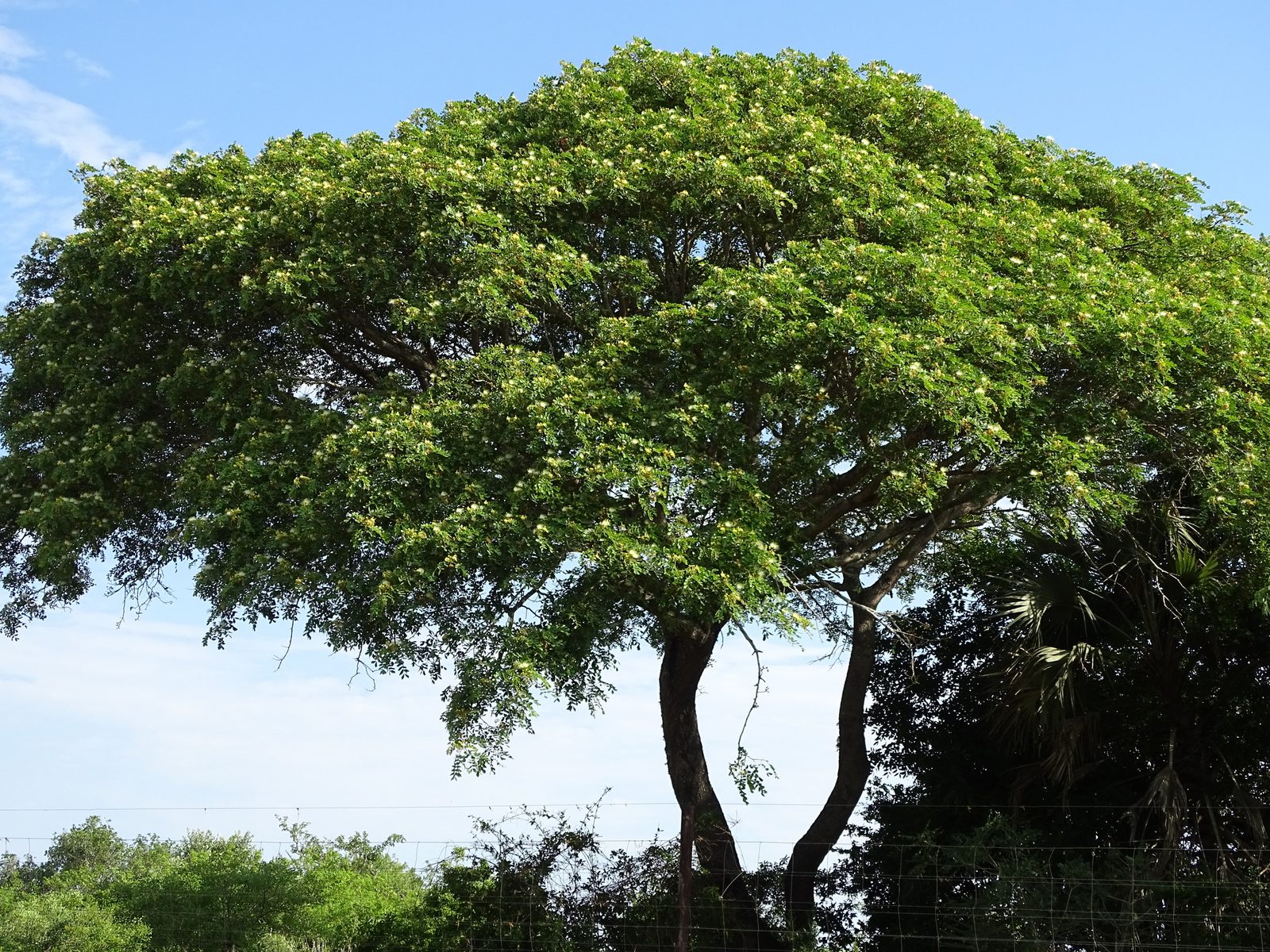
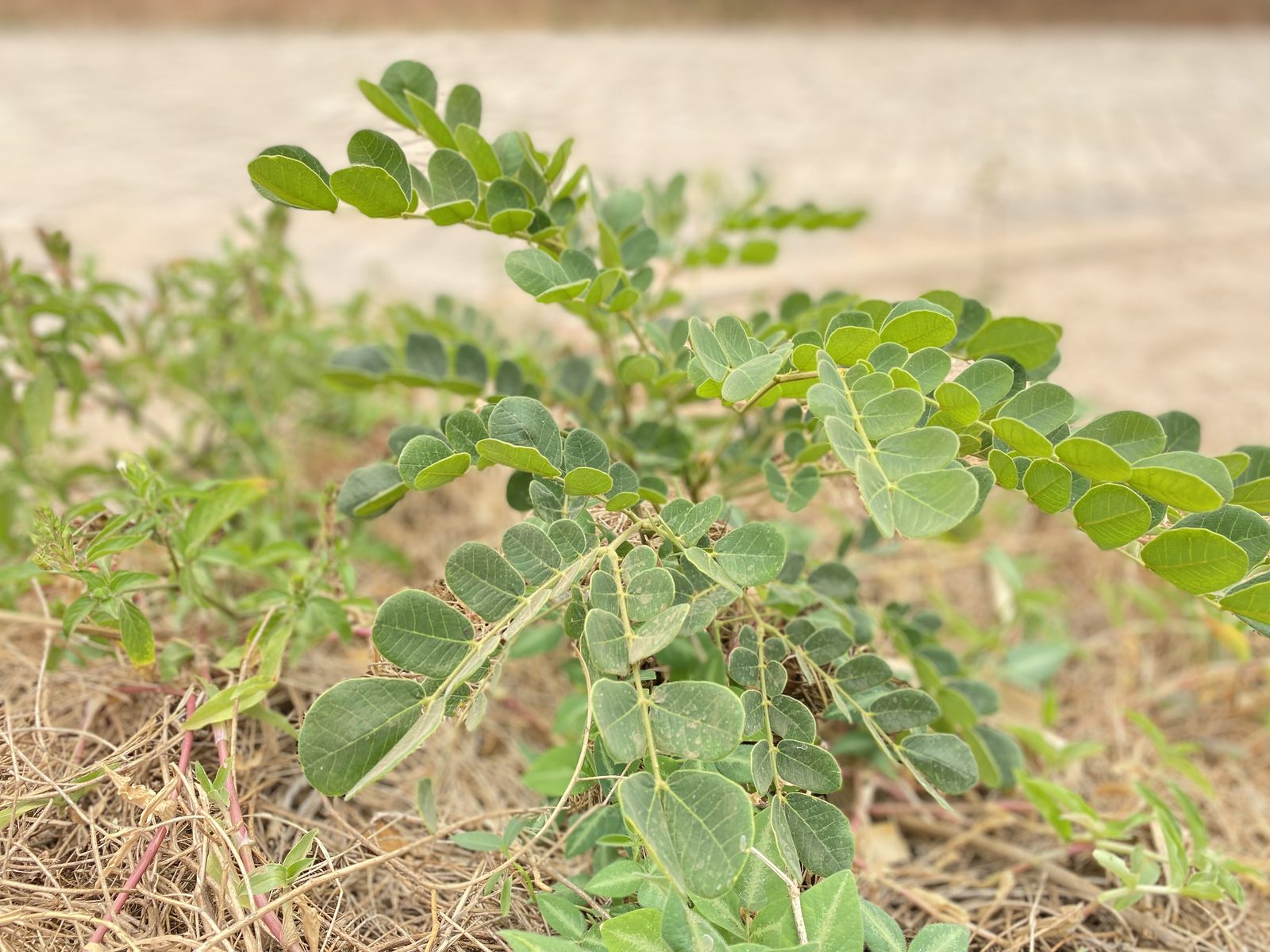
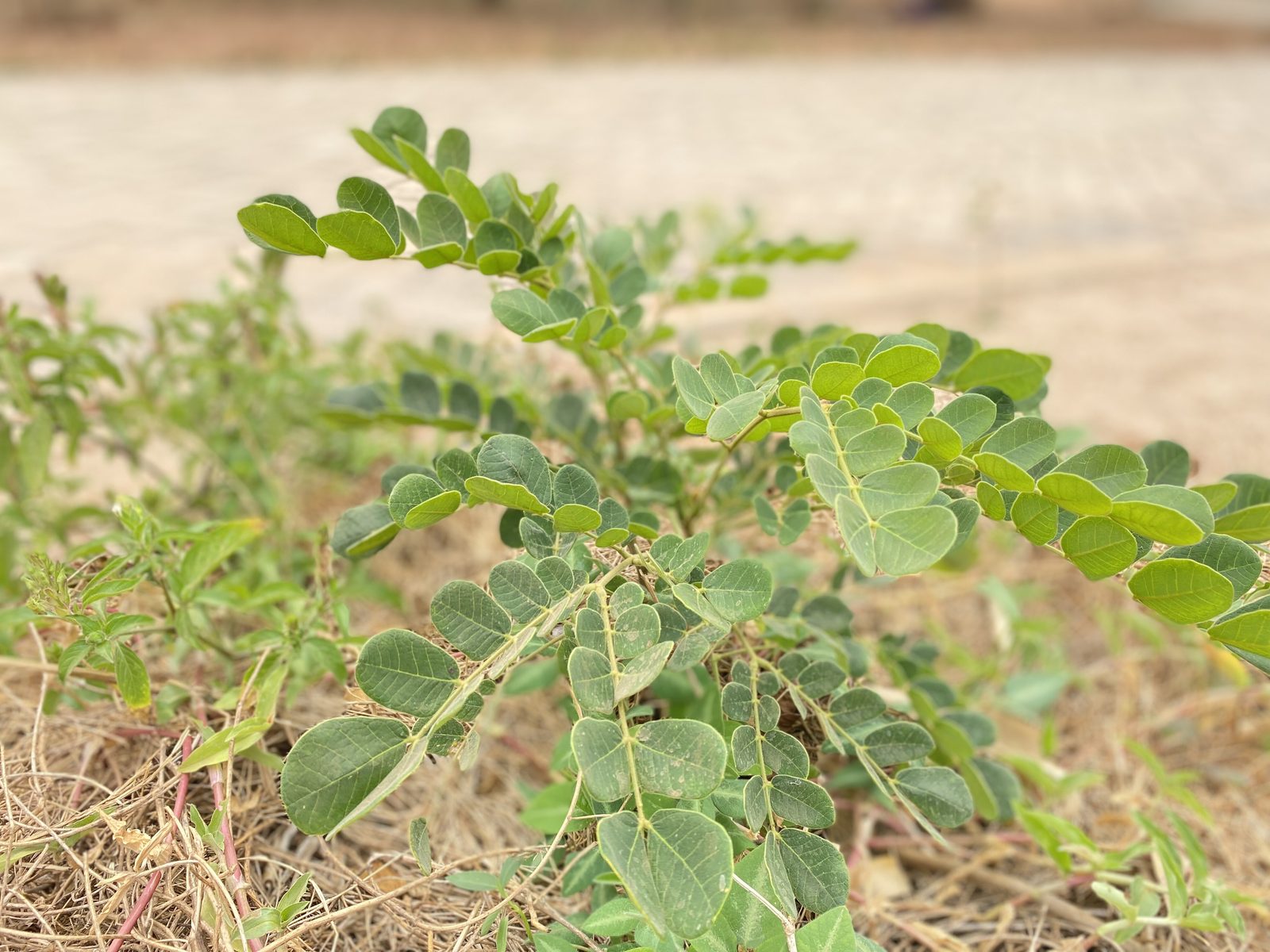
A deciduous tree to 20m with a spreading crown, densely hairy young branches and corky grey-brown bark. Its large reddish-brown seed pods - the source of the 'poison pod' name - are toxic to cattle and sheep when young, alongside the tree's genuine medicinal uses.
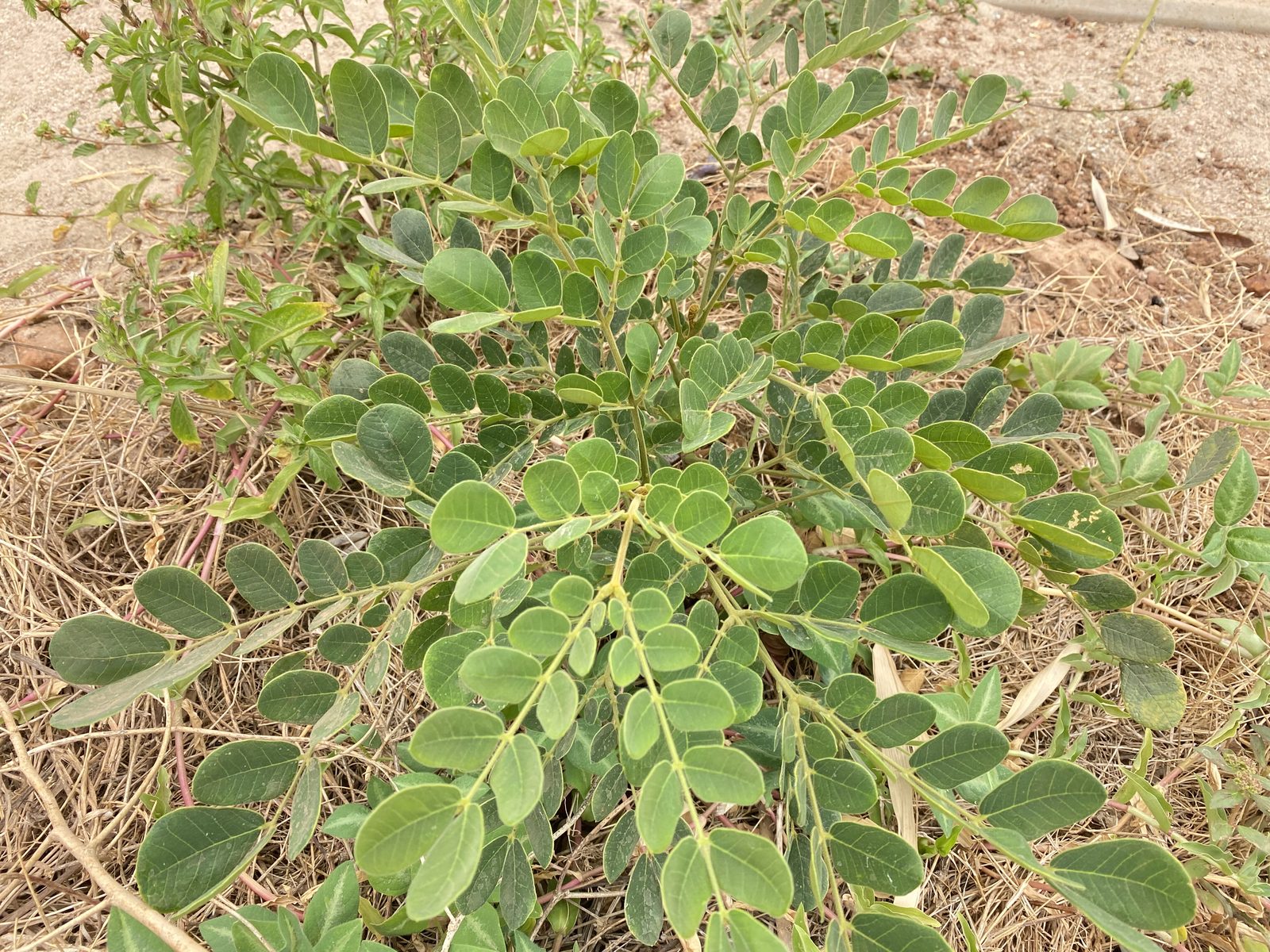
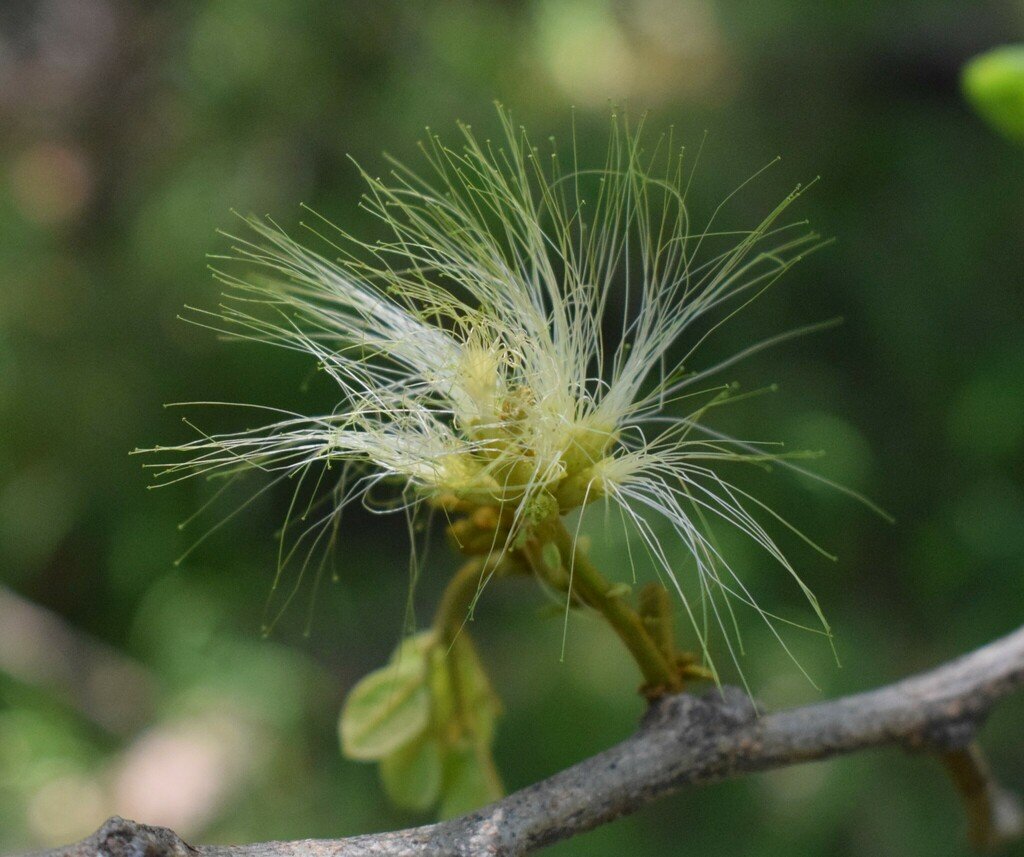
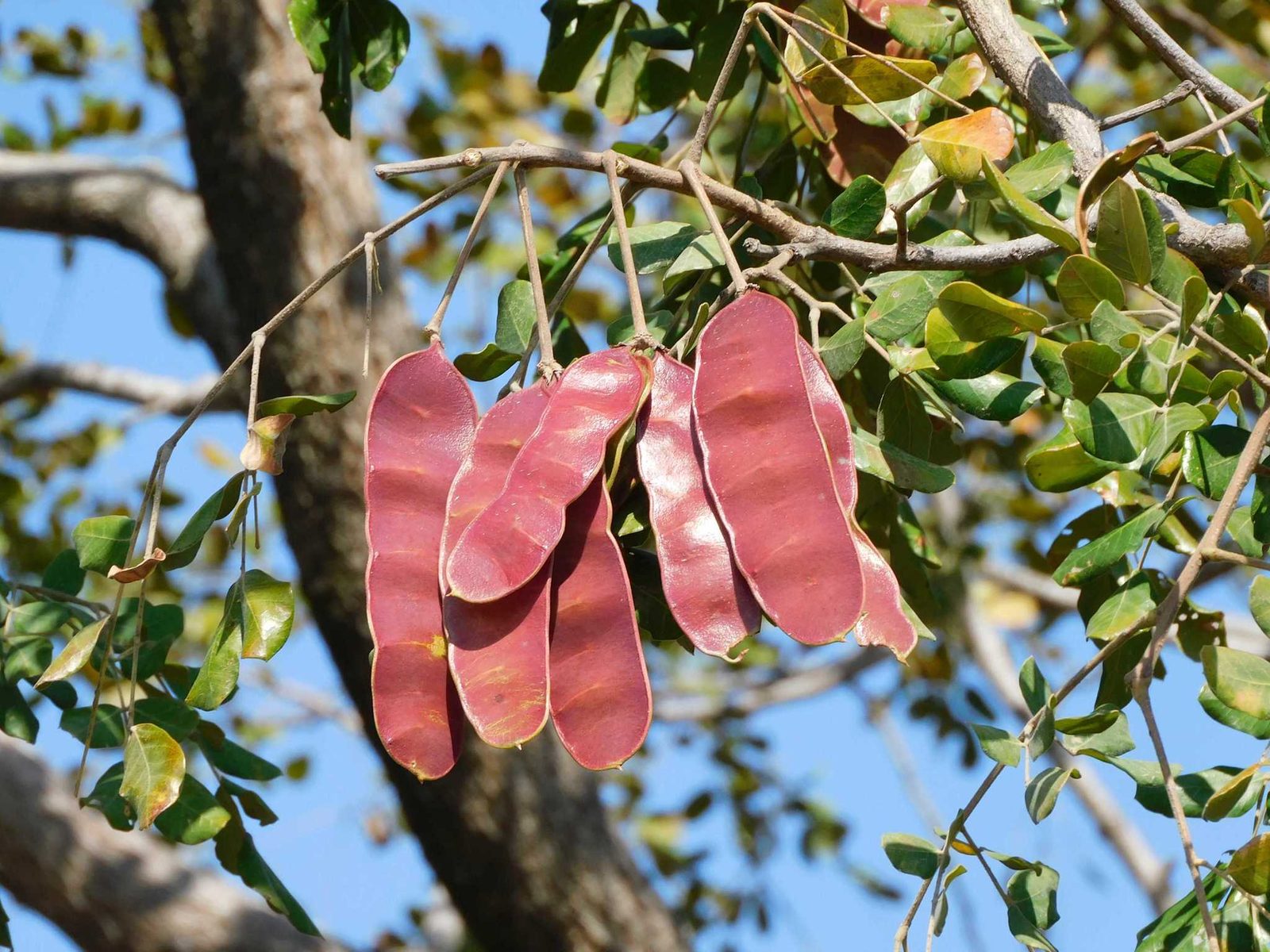
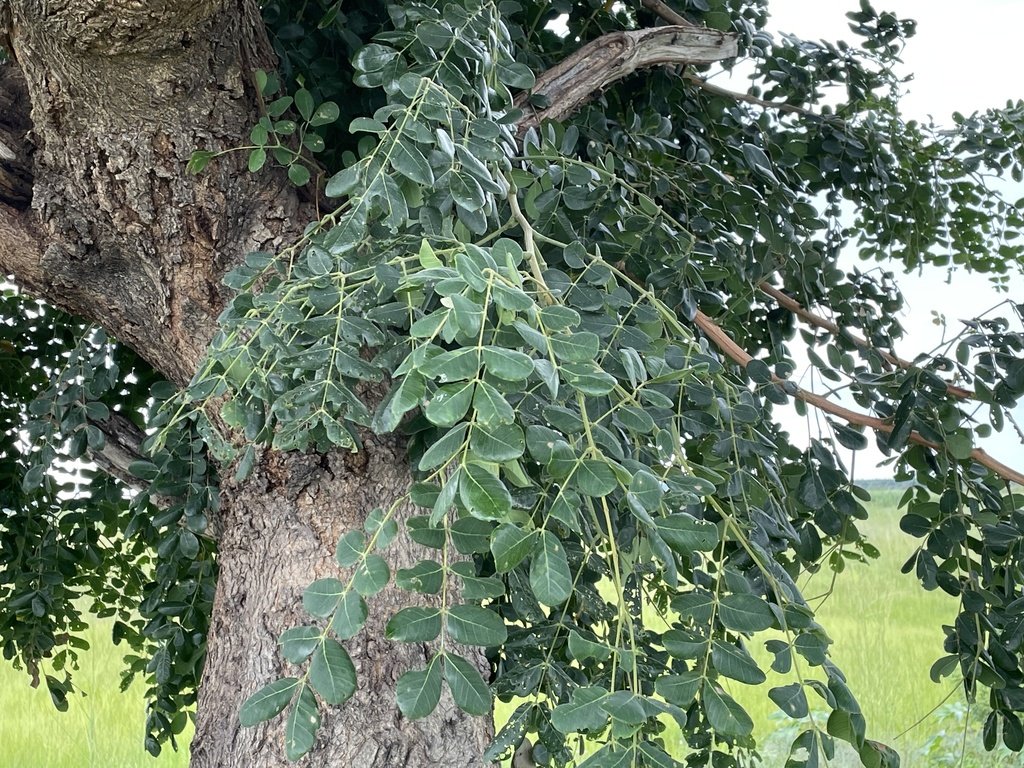
- Kinyarwanda name
- Umububa
- English name
- Poison Pod Albizia
- Scientific name
- Albizia versicolor
- Family
- Fabaceae
Habitat
Lowveld, mixed deciduous woodland, bushveld and wooded grassland up to 1,700m, often on sandy or stony soils near water.
Distribution
Southern and East Africa from South Africa north through Zimbabwe, Mozambique, Angola to DR Congo, Uganda and Kenya; confirmed present in Rwanda.
Uses
Roots and bark used to treat anaemia, swollen glands and diseases associated with sexual intercourse, backache, and as an anthelmintic; bark relieves coughs, headache and sinusitis.
Ecological importance
A nitrogen-fixing legume; important browse for wildlife, though young pods and leaves are toxic to cattle and sheep ('albiziosis').
Ibisobanuro
Kuvura inzoka zo munda. Kwongera amaraso mu mubiri (Anaemia). Kivura kubyimbirwa (Swollen glands). Kivura indwara zifata mu myanya y'ibanga. Kivura kubabara umutwe. Bakibazamo ibikoresho by mu gikoni. Kivangwa n'imyaka.