
Umukuyu (Cape Fig, Broom Cluster Fig)
Ficus sur
A large, fast-growing fig tree common along rivers, forest margins and wooded grassland across tropical Africa. Its trunk and branches often bear fig clusters directly on the bark (cauliflory), a hallmark of many Ficus species, making it an important year-round food source for birds, monkeys and fruit bats.
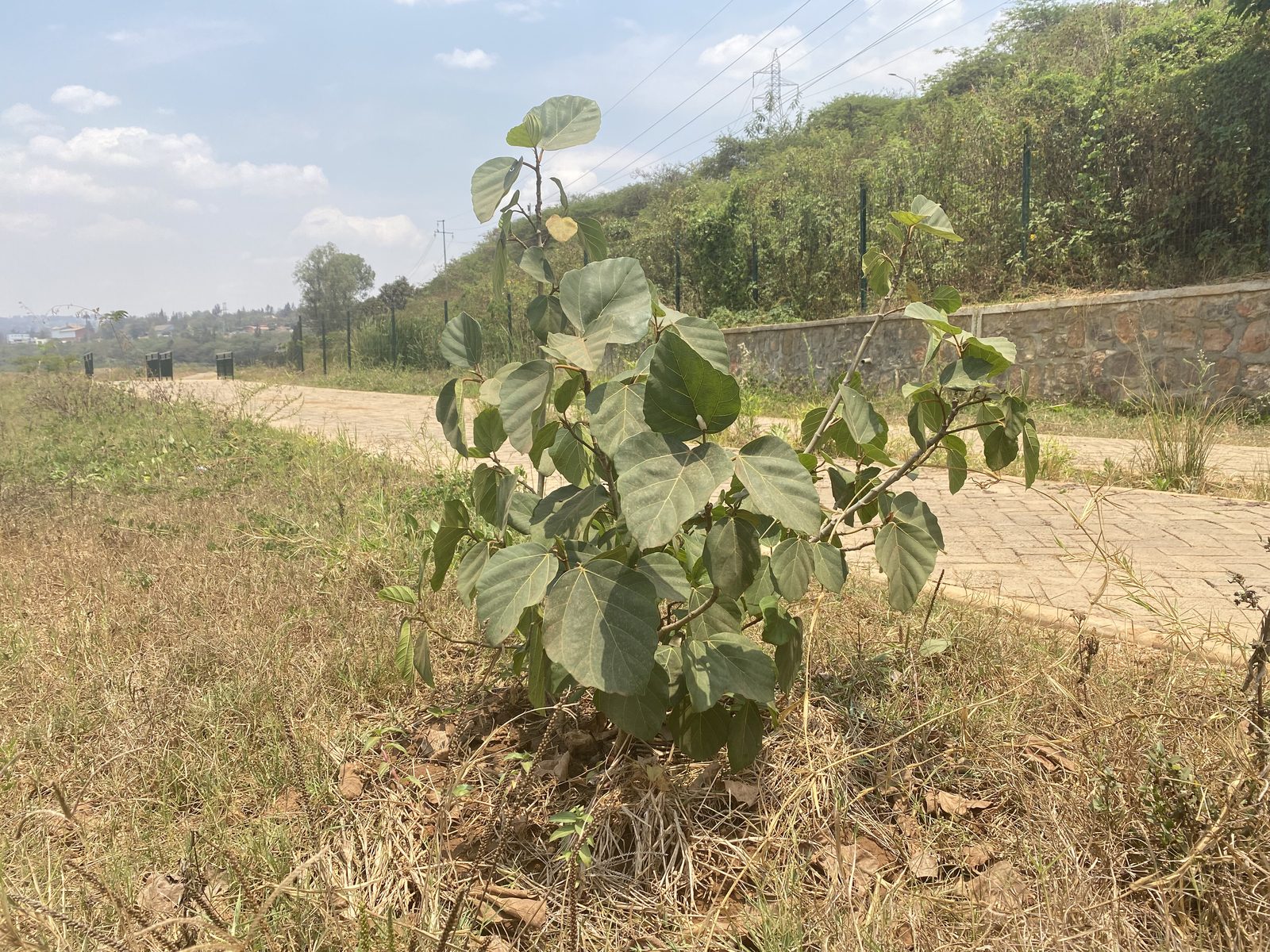
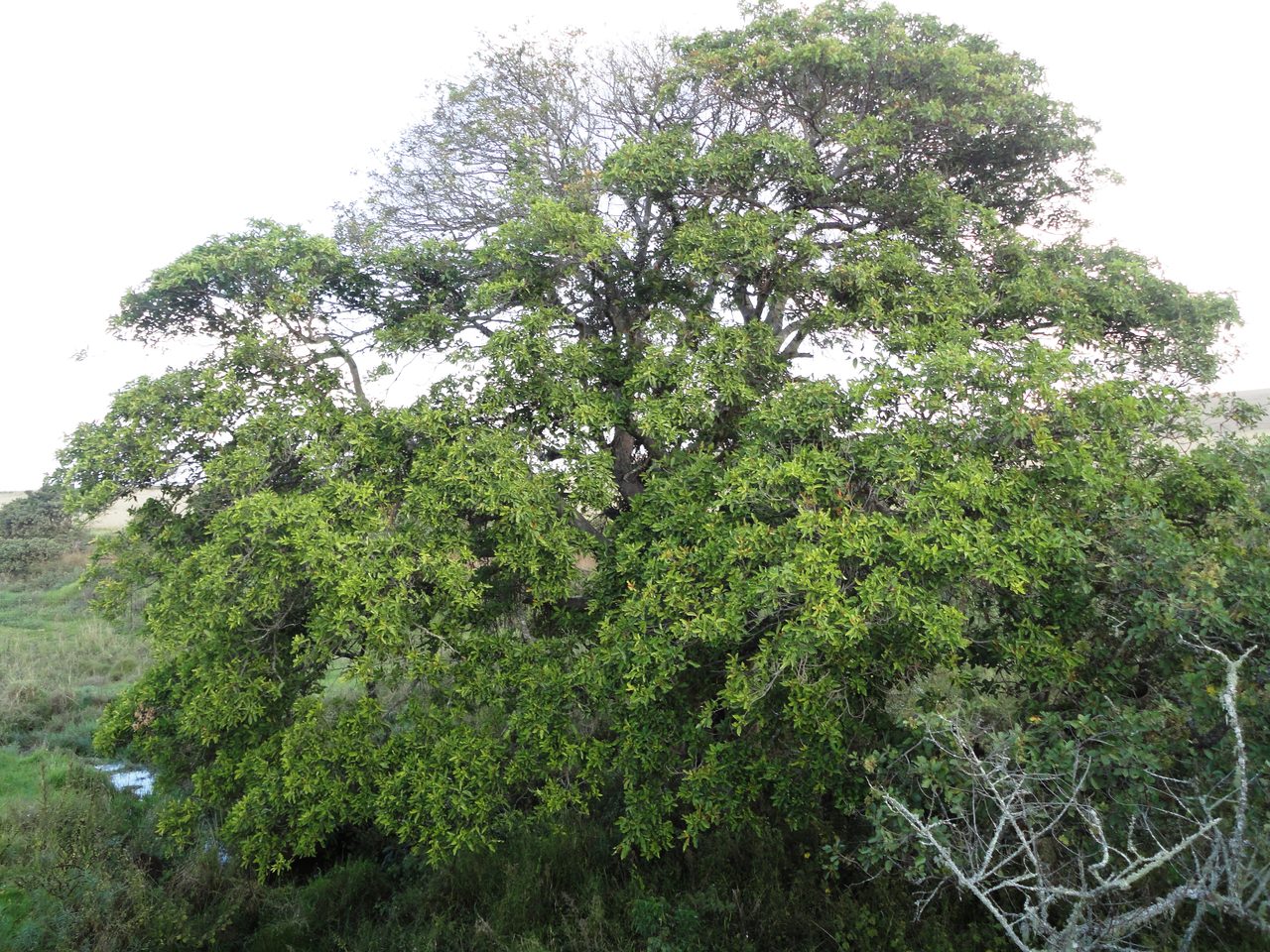
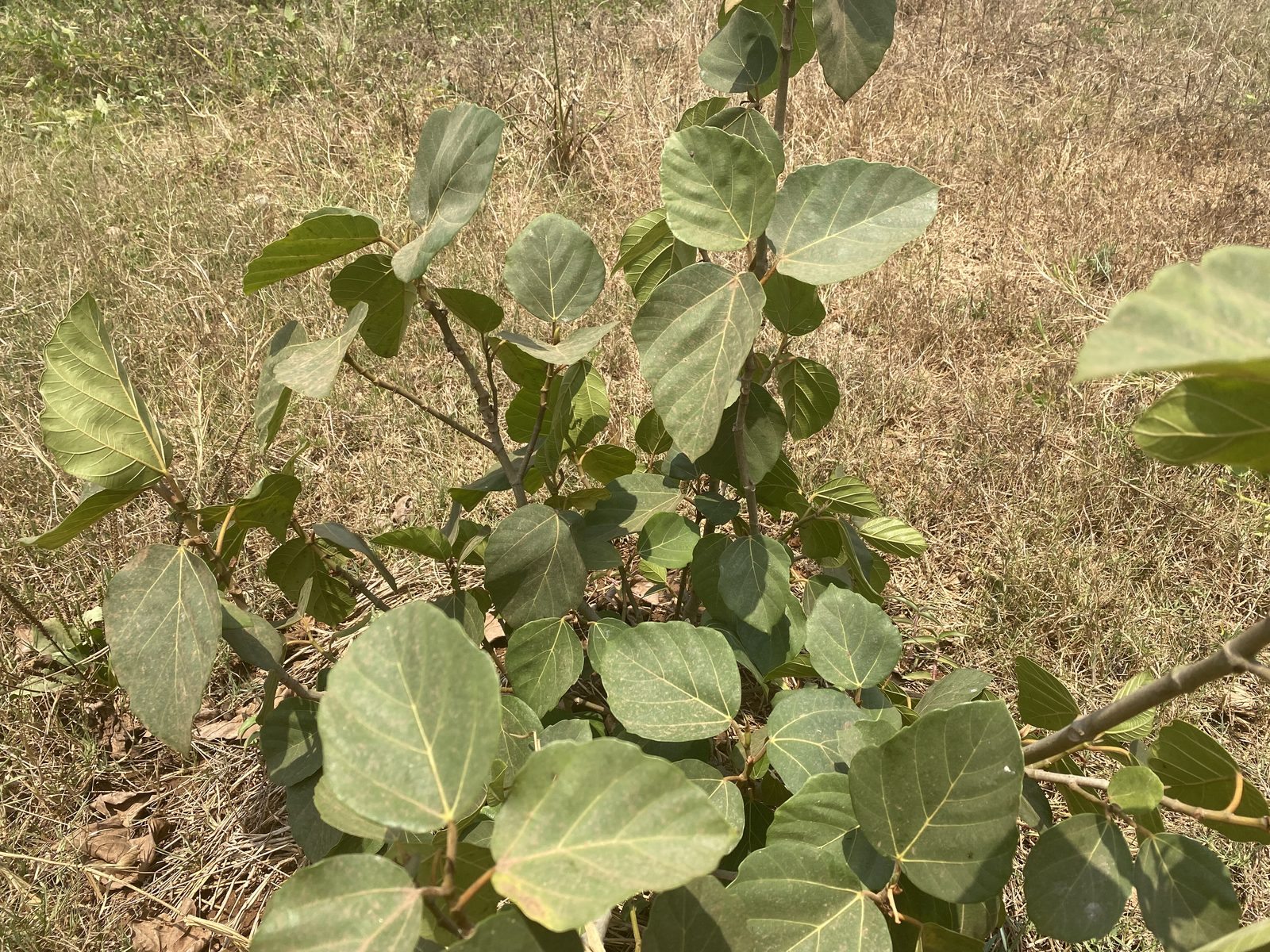
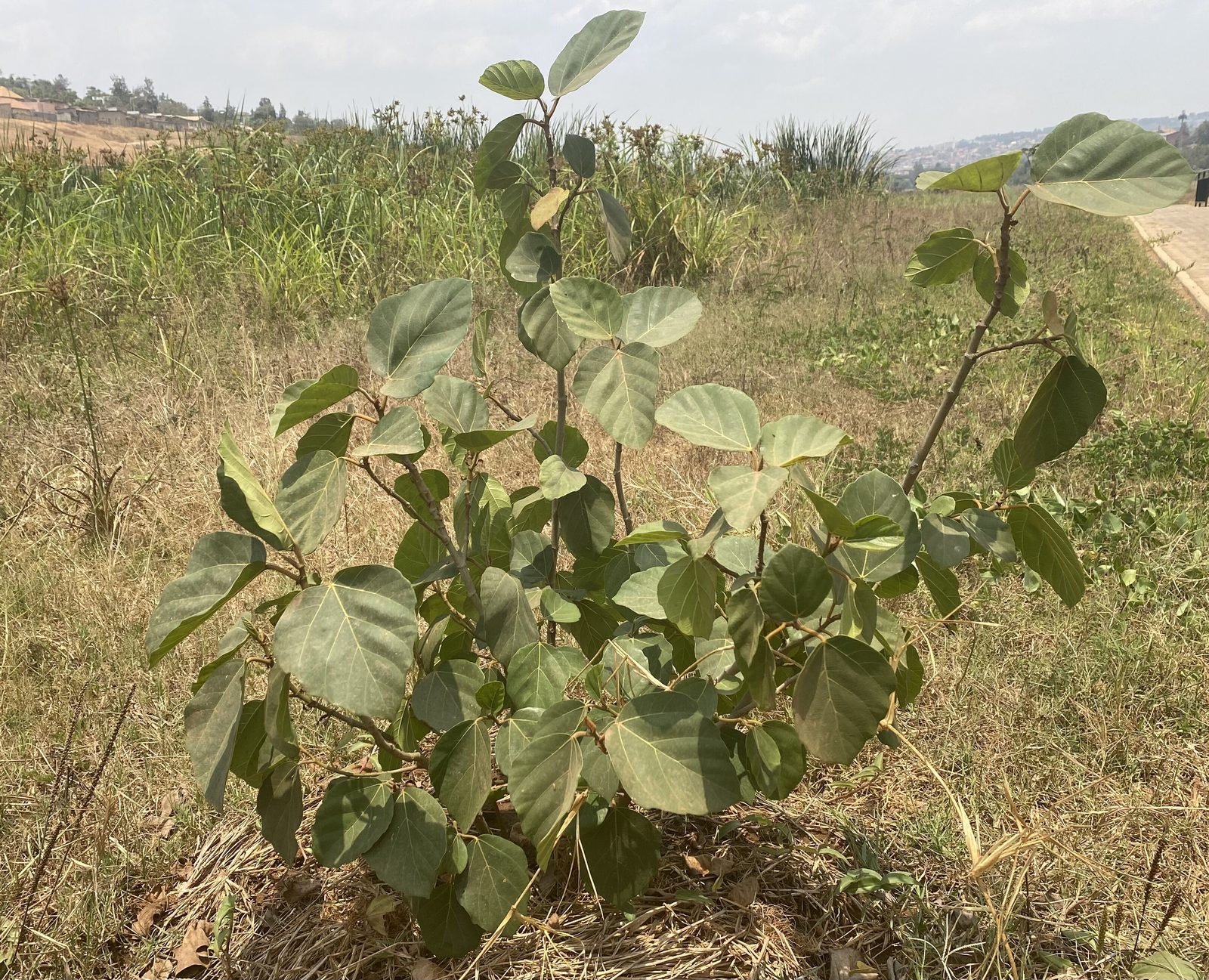
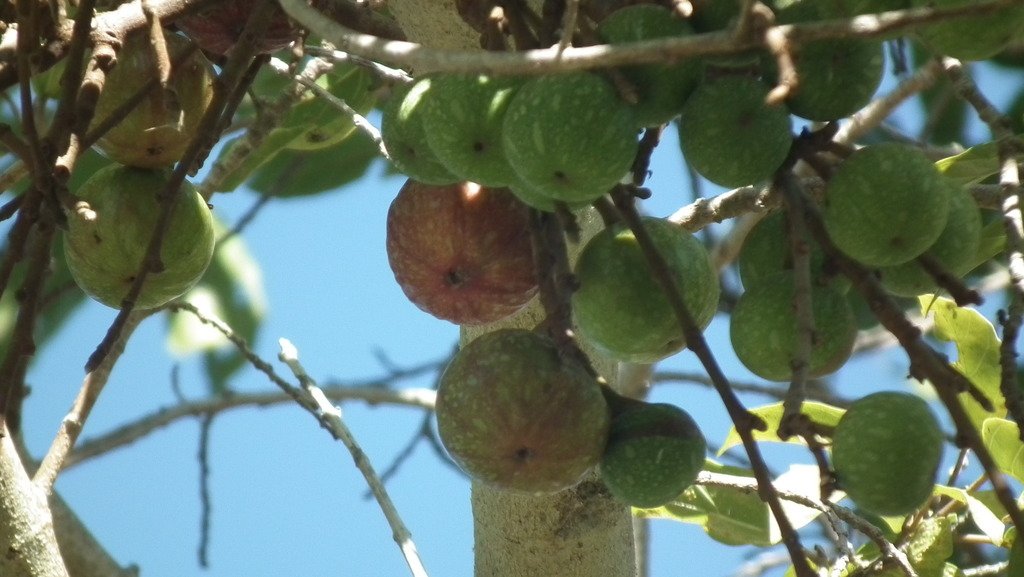
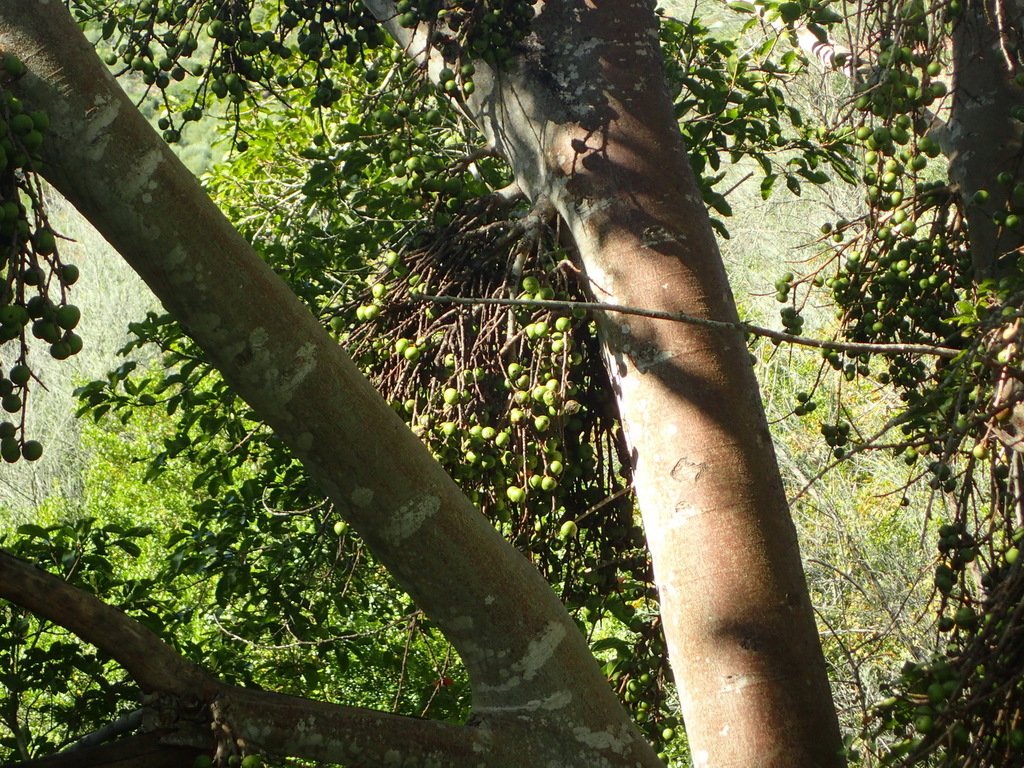
- Kinyarwanda name
- Umukuyu
- English name
- Cape Fig, Broom Cluster Fig
- Scientific name
- Ficus sur
- Family
- Moraceae
Habitat
Riverine forest, forest margins and wooded grassland, often near water.
Distribution
Widespread across sub-Saharan Africa, including Rwanda's forest reserves and riverine areas.
Uses
Fruits eaten by birds and monkeys; researchers have found antioxidant, antiviral and antimicrobial compounds in the roots and leaves.
Ecological importance
A keystone fruiting species — its figs feed birds, monkeys and fruit bats almost year-round, helping disperse the tree's own seeds.
Ibisobanuro
Imbuto za ficus sur ziribwa n'inyoni, inkende ndetse n'abantu. Ubushakashatsi bwavumbuye mu mababi n'imizi ibivura kanseri, virusi, na bagiteri.